
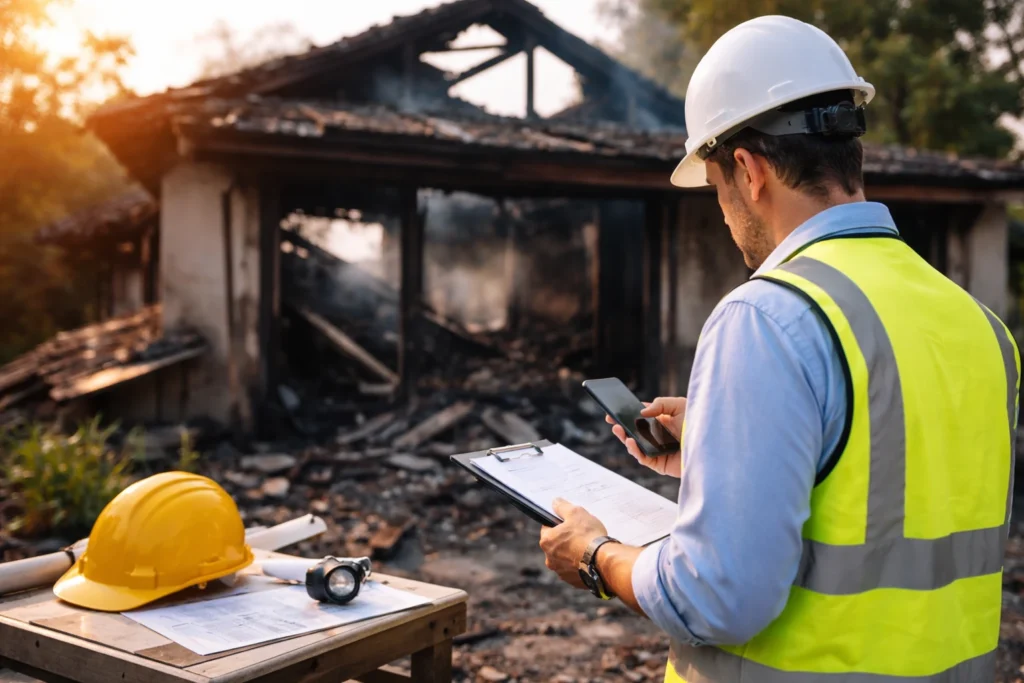
A fire insurance adjuster can make or break your recovery after a devastating loss. That’s not an exaggeration it’s reality. When your home has been damaged by fire, you’re not just dealing with smoke, soot, and structural issues. You’re dealing with paperwork, policy language, and negotiation. And that’s where things get complicated fast.
I’ve seen homeowners walk into claims blindly. Some accept the first number they’re given. Others miss thousands sometimes tens of thousands because they didn’t fully understand what a fire insurance adjuster actually does. This article fixes that. Let’s break it down. Clearly. Practically. And in a way that actually helps you take action.
What Is a Fire Insurance Adjuster?
A fire insurance adjuster is a professional who evaluates fire-related property damage and determines how much an insurance company should pay on a claim. Simple definition. But the reality? It’s layered.
There are three main types of adjusters:
- Company (Staff) Adjuster – Works directly for the insurance company
- Independent Adjuster – Contracted by insurers, still represents them
- Public Adjuster – Works for you, the policyholder
That distinction matters more than most people realize. A company adjuster’s job is to protect the insurer’s financial interests. A public adjuster’s job is to protect yours. Same process. Very different priorities.
What Does a Fire Insurance Adjuster Actually Do?
Let’s get practical. Here’s what a fire insurance adjuster is responsible for during your claim:
- Inspecting the damaged property
- Documenting structural and personal losses
- Creating cost estimates for repairs or replacement
- Reviewing your insurance policy
- Negotiating settlement amounts
It sounds straightforward. It’s not. Fire damage isn’t always visible. Smoke travels. Heat weakens structures. Water from firefighting adds another layer of damage. A skilled fire insurance adjuster digs deeper than what’s obvious. And that’s where real value shows up.
The Fire Damage Claim Process Explained
Understanding the process gives you leverage. Here’s how a typical fire claim unfolds:
1. Filing the Claim
You notify your insurance company. The clock starts ticking.
2. Initial Inspection
A fire insurance adjuster visits your property and assesses visible damage.
3. Damage Assessment
Detailed evaluation begins structure, contents, and hidden issues.
4. Estimate Creation
Costs are calculated. This is where numbers can vary widely.
5. Negotiation
Back-and-forth discussions between you (or your representative) and the insurer.
6. Final Settlement
Agreement is reached. Payment is issued. Here’s the truth: most disputes happen in steps 3 and 4. That’s where underestimation creeps in.
Why Fire Claims Are So Complex
Fire claims are rarely clean-cut. They come with layers of complications:
- Smoke damage spreads beyond the fire source
- Soot can permanently affect materials and air quality
- Water damage compounds the loss
- Structural integrity may be compromised invisibly
And then there’s code compliance. Repairs often must meet updated building codes, which can increase costs significantly. If your fire insurance adjuster misses any of this, you pay for it later.
How a Fire Insurance Adjuster Evaluates Damage
This isn’t guesswork. It’s a structured process.
Key Areas of Evaluation:
- Structural Damage – Walls, roofing, framing
- Smoke & Soot Contamination – HVAC systems, insulation, surfaces
- Water Damage – From firefighting efforts
- Personal Property Loss – Furniture, electronics, clothing
Typical Tools Used:
- Moisture meters
- Thermal imaging cameras
- Estimating software
A skilled fire insurance adjuster doesn’t just look they analyze. Thoroughly.
Common Mistakes Homeowners Make After a Fire
Let’s be blunt. These mistakes cost money.
- Accepting the first offer
- Failing to document everything
- Throwing away damaged items too soon
- Not reading the policy
- Waiting too long to act
The biggest mistake? Trying to handle everything alone. It’s understandable. You’re overwhelmed. But this is exactly when guidance matters most.
Public Adjuster vs Insurance Company Adjuster
This is where things shift.
| Factor | Insurance Adjuster | Public Adjuster |
| Who they represent | Insurance company | You |
| Goal | Minimize payout | Maximize fair settlement |
| Payment | Salary/contract | Percentage of claim |
| Negotiation role | Limited to insurer interest | Advocates for you |
A fire insurance adjuster working for you changes the entire dynamic. Suddenly, you’re not guessing—you’re negotiating with confidence.
When Should You Hire a Fire Insurance Adjuster?
Timing matters.
You should consider hiring a fire insurance adjuster:
- Immediately after the fire
- When damages are extensive
- If your claim feels undervalued
- When communication with your insurer stalls
- If your claim is denied
The earlier you bring in expertise, the better your position.
How to Choose the Right Fire Insurance Adjuster
Not all adjusters are equal. Here’s what to look for:
- Proper licensing
- Proven experience with fire claims
- Transparent fee structure
- Strong reviews or referrals
- Clear communication style
Questions to Ask:
- How many fire claims have you handled?
- What’s your average settlement increase?
- How do you document losses?
If they hesitate, that’s your answer.
Tips to Maximize Your Fire Insurance Claim
Let’s get tactical. These steps make a real difference:
Document Everything
Take photos. Videos. Notes. Capture it all.
Keep Every Receipt
Temporary repairs, hotel stays, meals track everything.
Don’t Rush
Quick settlements often mean lower payouts.
Understand Your Policy
Coverage limits. Exclusions. Endorsements. Know them.
Work With Experts
A qualified fire insurance adjuster can uncover value you might miss.
Real-World Scenario: The Difference Expertise Makes
Here’s a scenario I’ve seen play out more than once.
A homeowner receives an initial estimate of $85,000 from their insurer. It seems fair at first glance. Then a public fire insurance adjuster reviews the damage.
They identify:
- Hidden smoke contamination in HVAC
- Structural weakening in support beams
- Additional personal property losses
Revised estimate? $140,000.
That’s not a small gap. That’s life-changing.
Why Local Expertise Matters in Desoto
Local knowledge isn’t just helpful it’s powerful.
A fire insurance adjuster familiar with Desoto understands:
- Local building codes
- Contractor pricing trends
- Regional insurance practices
They move faster. They communicate better. And they often secure stronger outcomes.
A Quick Note on Complexity (and Why It Matters)
Fire claims often involve layered analysis that goes far beyond surface-level observation. In some ways, it’s similar to complex scientific systems like Morphogenesis where outcomes are shaped by multiple interacting factors rather than a single visible cause.
In insurance, what you see immediately after a fire is rarely the full picture. Hidden damage, secondary effects, and long-term structural issues all play a role. That’s why a detailed evaluation from a skilled fire insurance adjuster is critical.
Final Thoughts
A fire insurance adjuster is more than just an inspector. They’re a decision-maker. A negotiator. A key player in your financial recovery. And here’s the takeaway: the outcome of your claim isn’t just about the damage. It’s about how that damage is evaluated, documented, and presented.
That’s where expertise wins. If you’re dealing with fire damage, don’t go in blind. Ask questions. Document everything. And most importantly make sure someone is truly on your side. Because in a fire claim, every detail matters. And every dollar counts.
FAQs
A fire insurance adjuster inspects property damage, evaluates losses, and determines how much compensation should be paid based on your policy.
A public fire insurance adjuster works for you, while a company adjuster represents the insurance company’s interests.
You should hire one as soon as possible after a fire, especially if the damage is significant or the claim becomes complicated.
Public adjusters typically charge a percentage of the final settlement, often ranging from 10%.
Yes, but without a fire insurance adjuster, you may overlook damages or accept a lower settlement than you deserve.
Most fire claims take several weeks to months, depending on the extent of damage and the complexity of the claim.
You can appeal the decision, provide additional documentation, or hire a public fire insurance adjuster to reassess your case.
Coverage typically includes structural damage, smoke and soot damage, and personal property losses, depending on your policy.
Yes, a fire insurance adjuster can manage both partial and total loss claims, ensuring accurate valuation of all damages.
Document all damage, keep receipts, understand your policy, and consider hiring a fire insurance adjuster to advocate for your claim.