
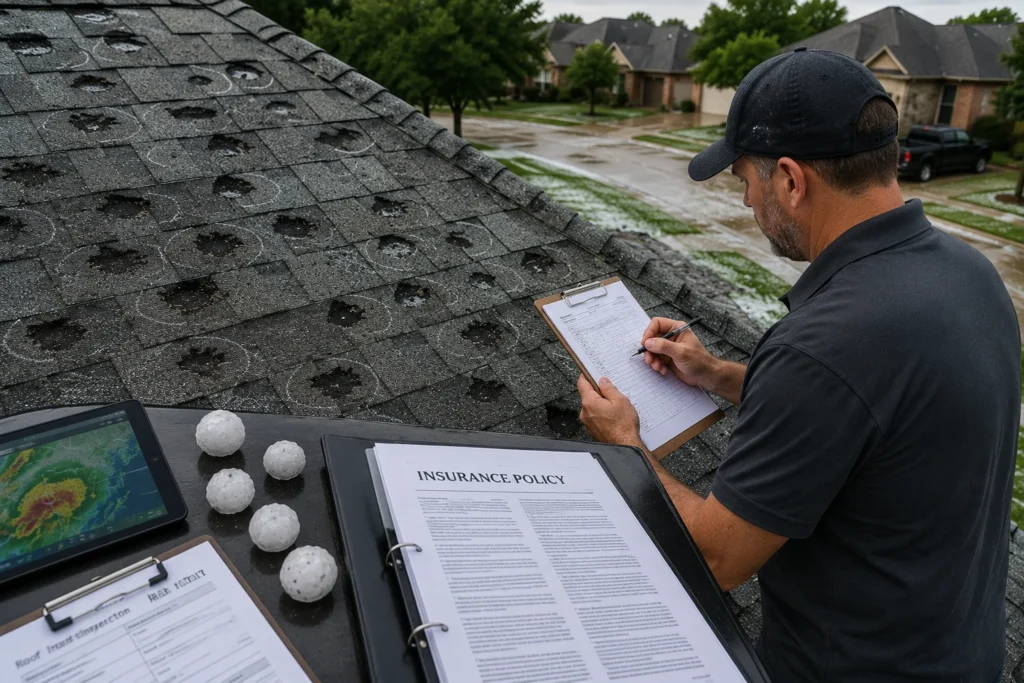
A severe hailstorm can transform a perfectly functional roof into a costly insurance issue in a matter of minutes. What looks like a few harmless dents from the ground may actually hide cracked shingles, bruised roofing materials, and weakened protective layers that eventually lead to leaks. Filing a heavy hail roof insurance claim is often the first step toward recovering from that damage, but many homeowners quickly discover that the process involves far more than simply notifying their insurance company. Understanding what to expect can help you protect both your home and your financial investment. For homeowners in Desoto, acting quickly after a major hailstorm can make a meaningful difference when documenting damage and preserving evidence.
Many property owners also wonder, Can You Reopen a Hail Damage Insurance Claim after accepting an initial settlement or discovering additional damage during repairs? The answer depends on several factors, including policy language, claim timelines, and whether newly discovered damage can be properly documented. While every claim is different, understanding your rights before making repair decisions can help you avoid unnecessary complications later. Throughout this guide, we’ll explore practical strategies that can strengthen your position and improve your understanding of the entire claims process.
What Qualifies as Heavy Hail Damage?
Not every hailstorm causes serious roofing damage. Small hail may bounce harmlessly off durable roofing materials, while larger hailstones can fracture shingles, dent metal roofing, crack tiles, and reduce a roof’s ability to protect the home from future weather events.
The size of the hail is certainly important, but it isn’t the only factor. Wind speed, roof age, material type, installation quality, and even the direction of the storm all influence how much damage ultimately occurs.
How Hail Size Affects Roof Damage
Different hail sizes often produce very different outcomes.
| Hail Size | Typical Impact |
| Pea-sized | Usually cosmetic with limited damage |
| Marble-sized | May begin removing protective granules |
| Quarter-sized | Can bruise asphalt shingles |
| Golf ball-sized | Frequently cracks shingles and dents metal |
| Baseball-sized | Often causes widespread structural roof damage |
Large hail carries tremendous force because of both its size and velocity. Even newer roofing systems can sustain significant impacts when hailstones strike repeatedly during an intense storm.
Factors That Make Damage Worse
Heavy hail rarely acts alone.
Several conditions increase the likelihood that a roof will suffer substantial damage:
- Older roofing materials
- Existing wear and tear
- Strong wind-driven hail
- Low-quality installation
- Multiple hailstorms over several years
- Steep temperature changes before the storm
- Moisture trapped beneath roofing materials
Each of these factors can weaken roofing components before hail ever begins falling. When the storm arrives, previously minor weaknesses may suddenly become major insurance claims.
Common Signs of Heavy Hail Roof Damage
One of the biggest challenges homeowners face is recognizing hail damage before it develops into expensive water intrusion. Some damage is immediately obvious. Other damage remains hidden for months. Knowing what to look for helps homeowners identify potential problems much sooner.
Exterior Roof Damage
Heavy hail commonly leaves visible signs across the roofing surface.
These include:
- Missing granules
- Circular bruising
- Soft impact marks
- Cracked shingles
- Torn shingles
- Broken slate
- Fractured concrete tiles
- Dented flashing
- Damaged ridge caps
Granule loss deserves particular attention. Although a roof may still appear intact, those protective granules shield shingles from ultraviolet exposure. Once they disappear, shingles often deteriorate much faster.
Damage Beyond the Roof
Hail rarely limits itself to shingles. Inspect other exterior components including:
- Gutters
- Downspouts
- Metal vents
- Skylights
- Window trim
- Garage doors
- Fences
- Air conditioning units
- Deck railings
- Mailboxes
Consistent damage across multiple surfaces often helps establish the overall severity of the storm.
Interior Warning Signs
Some homeowners never realize their roof has been damaged until water begins entering the home.
Interior warning signs include:
- Ceiling stains
- Peeling paint
- Damp attic insulation
- Mold growth
- Musty odors
- Wet drywall
- Bubbling ceilings
- Water dripping during rainstorms
By the time interior damage becomes visible, roof damage has often existed for weeks or even months.
Why Heavy Hail Damage Is Often Missed
Here’s something many homeowners find surprising. A roof can sustain meaningful hail damage without displaying dramatic visual destruction. That’s because many impacts damage the internal structure of shingles rather than tearing them apart. Insurance adjusters and roofing professionals often describe these as bruises. The outer surface may remain mostly intact while the underlying mat becomes fractured. Eventually those weakened areas begin to crack, allowing moisture to penetrate the roofing system.
Damage is also easy to miss because homeowners usually inspect their property from ground level. From twenty or thirty feet away, subtle bruising simply isn’t visible. Another complication involves delayed deterioration. A roof may appear fine immediately after the storm but begin developing leaks months later as temperature changes, wind, and rainfall exploit weakened materials. Professional inspections help identify these hidden conditions before they become much larger repair projects.
What To Do Immediately After a Hailstorm
The hours following a severe hailstorm often determine how smoothly the insurance process proceeds later. Taking organized steps early helps preserve valuable evidence.
Prioritize Safety
Never climb onto a roof immediately after a storm. Loose shingles, wet surfaces, broken branches, and hidden structural damage can create dangerous conditions. Always inspect from the ground unless a qualified professional determines roof access is safe.
Perform a Visual Inspection
Walk around the property and examine visible areas.
Look for:
- Missing shingles
- Fallen roofing materials
- Dented gutters
- Broken windows
- Tree damage
- Detached flashing
- Exterior siding impacts
Take notes as you go.
Small observations often become important later.
Photograph Everything
Photos are among the strongest forms of evidence during a heavy hail roof insurance claim.
Capture:
- Wide shots of the home
- Close-up roof damage
- Gutters
- Downspouts
- Outdoor equipment
- Window damage
- Fallen branches
- Interior leaks
Take photographs before making temporary repairs whenever possible.
Prevent Additional Damage
Insurance policies generally require homeowners to protect the property from further damage.
Reasonable temporary measures may include:
- Covering exposed areas with tarps
- Removing standing water
- Relocating valuable belongings
- Preventing additional moisture intrusion
Keep every receipt related to emergency repairs. These expenses may become part of your insurance documentation.
Report the Loss Promptly
Notify your insurance company as soon as practical.
Provide:
- Date of storm
- General description
- Initial observations
- Contact information
Avoid guessing about repair costs before inspections occur.
Simply report what you know.
Schedule a Professional Roof Inspection
Independent roofing inspections frequently uncover damage that homeowners cannot safely identify themselves.
A thorough inspection may include:
- Shingle testing
- Flashing evaluation
- Moisture detection
- Vent inspection
- Ridge cap assessment
- Attic review
- Photographic documentation
Detailed inspection reports provide valuable support throughout the claims process.
How the Heavy Hail Roof Insurance Claim Process Works
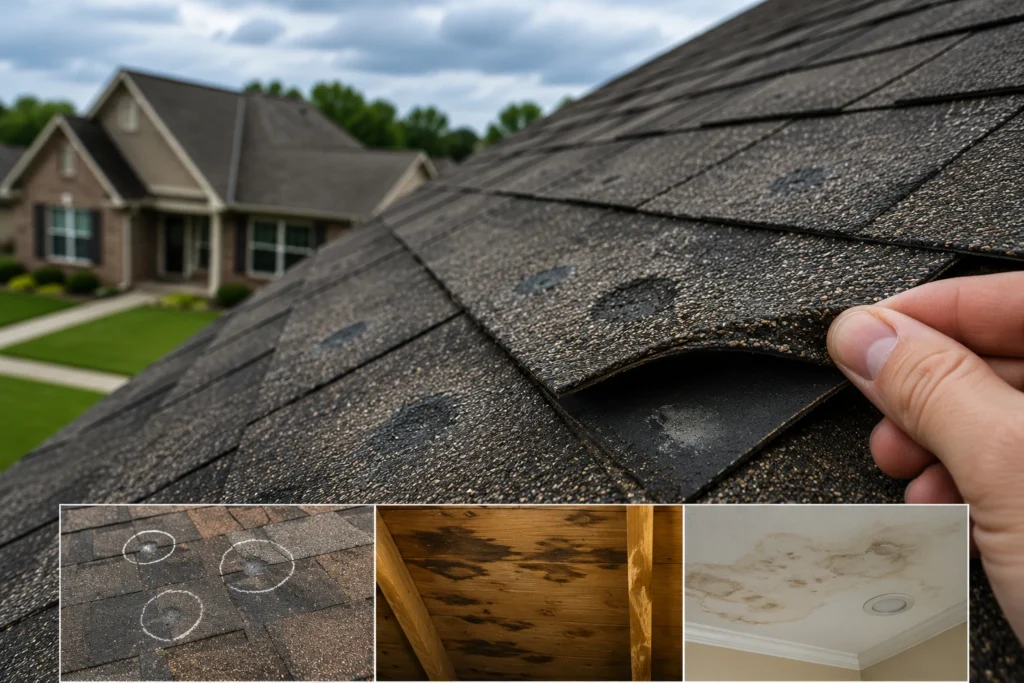
Many homeowners expect a straightforward process. Reality is often more involved. Understanding each phase helps reduce uncertainty.
Initial Claim Reporting
Everything begins with notifying your insurance carrier.
Basic information generally includes:
- Policy number
- Property address
- Date of loss
- Description of storm
- Visible damage
The insurer then assigns a claim number and begins its review.
Insurance Inspection
An adjuster typically schedules an inspection of the property.
During this visit they may examine:
- Roofing materials
- Gutters
- Flashing
- Siding
- Windows
- Outdoor structures
- Interior water damage
Photographs and measurements are usually collected throughout the inspection.
Damage Evaluation
After the inspection, the insurance company compares observed damage with the policy’s coverage provisions.
Several questions often guide this evaluation:
- Was the damage caused by hail?
- Is the damage covered?
- Was there pre-existing deterioration?
- Does the damage require repair or replacement?
- Are matching materials available?
These determinations influence the proposed settlement amount.
Repair Estimate
The insurer prepares an estimate outlining covered repairs.
This estimate may include:
- Material costs
- Labor
- Disposal
- Flashing
- Ridge caps
- Vent replacements
- Additional repair items
Review every line carefully. Mistakes, omissions, or differing repair opinions sometimes occur.
Settlement Offer
If coverage applies, the insurance company issues its payment according to the policy.
Depending on the policy, homeowners may receive:
- Actual cash value
- Replacement cost payments
- Recoverable depreciation after repairs
Understanding these payment methods helps prevent confusion during the repair process.
Repair Completion
Once repairs begin, contractors occasionally discover additional storm damage that wasn’t visible during the original inspection. This may result in supplemental documentation and further discussions with the insurance company if additional covered damage is identified. The goal is to ensure the completed repairs properly address the documented storm damage.
Documentation That Strengthens Your Insurance Claim
Insurance decisions rely heavily on documentation. The more organized your records become, the easier it is to demonstrate both the existence and extent of storm damage. Below are some of the most valuable forms of documentation homeowners should collect.
| Documentation | Why It Matters |
| Photographs | Creates visual proof of damage before repairs begin |
| Videos | Captures the overall condition of the property from multiple angles |
| Weather reports | Helps verify the date and severity of the hailstorm |
| Professional inspection reports | Provides an independent assessment of roof damage |
| Contractor estimates | Supports repair scope and expected costs |
| Temporary repair receipts | Documents reasonable efforts to prevent further damage |
| Communication records | Creates a timeline of conversations with insurers and contractors |
Photographs
Take photographs immediately after the storm whenever conditions are safe.
Include:
- Overall roof views
- Close-up impact marks
- Gutters
- Downspouts
- Interior leaks
- Damaged landscaping
- Detached roofing materials
The more comprehensive your photographic record, the easier it becomes to compare conditions over time.
Videos
Short videos often provide context that still photographs cannot. Walking around the property while recording visible damage creates a continuous record that may support later discussions.
Weather Reports
Local weather records help establish that a significant hail event occurred near your property. These reports become particularly useful when multiple storms affect an area within a short period.
Professional Inspection Reports
An experienced roofing inspection typically includes written findings, photographs, measurements, and detailed observations. Independent evaluations often identify functional damage that is difficult for homeowners to recognize without specialized experience.
Repair Estimates
Detailed estimates explain:
- Materials required
- Labor involved
- Replacement quantities
- Access challenges
- Additional components requiring repair
Specific estimates make it easier to understand the scope of proposed work.
Temporary Repair Receipts
If emergency tarping or water mitigation becomes necessary, save every invoice and receipt. Maintaining organized financial records demonstrates reasonable efforts to protect the property from further damage.
Communication Logs
Maintain a simple log recording:
- Phone calls
- Emails
- Inspection dates
- Claim numbers
- Names of representatives
- Documents submitted
Small organizational habits often prove extremely valuable if questions arise later in the claims process.
How Insurance Companies Evaluate Heavy Hail Roof Claims
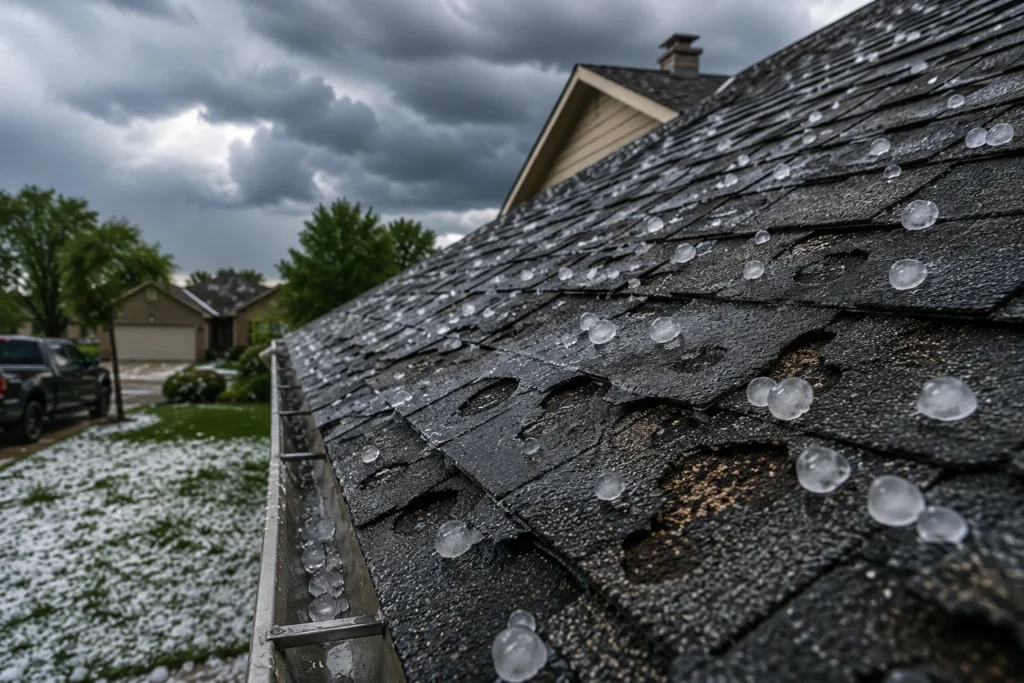
Every insurance company follows its own internal procedures, but most heavy hail roof insurance claim investigations focus on many of the same questions. The adjuster isn’t simply looking for dents or cracked shingles. They’re trying to determine whether the damage is covered under the policy, how extensive it is, and what repairs are reasonably necessary. Understanding that evaluation process helps homeowners prepare better documentation and set realistic expectations.
Roof Condition Before the Storm
One of the first considerations is the roof’s condition before the hail event.
Adjusters often look for evidence of:
- Previous storm damage
- Aging materials
- Deferred maintenance
- Improper installation
- Prior repairs
- Existing leaks
This doesn’t automatically mean an older roof won’t qualify for coverage. However, distinguishing storm damage from ordinary wear and tear is an important part of the review.
Age of the Roof
Roof age matters because materials naturally deteriorate over time. For example, older asphalt shingles may become more brittle and susceptible to impact damage. On the other hand, insurers may also examine whether signs of deterioration existed before the hailstorm occurred. Age alone doesn’t determine the outcome of a claim, but it is one piece of the overall evaluation.
Roofing Material
Different roofing systems react differently to hail.
Common materials include:
- Asphalt shingles
- Architectural shingles
- Metal roofing
- Clay tile
- Concrete tile
- Slate
- Composite roofing
Each material has unique impact characteristics, and adjusters evaluate damage accordingly.
Storm Verification
Insurance companies generally verify that a hailstorm actually occurred near the insured property.
This may involve reviewing:
- Weather service reports
- Radar data
- Hail maps
- Storm tracking information
- Local reports
When weather records align with physical damage, they can help support the claim.
Inspection Findings
The inspection itself remains one of the most significant parts of the process.
Adjusters typically document:
- Number of impacted shingles
- Size of damaged areas
- Granule loss
- Dents in metal components
- Damage consistency
- Roof accessories
- Interior water intrusion
Detailed inspection notes become part of the permanent claim file.
Policy Language
Ultimately, the insurance policy controls what is and isn’t covered.
Key provisions may address:
- Covered causes of loss
- Deductibles
- Cosmetic damage exclusions
- Replacement cost provisions
- Actual cash value
- Reporting deadlines
Reading the policy carefully helps homeowners understand how coverage applies to their specific situation.
Common Reasons Heavy Hail Roof Insurance Claims Are Denied
Receiving a denial can be frustrating. Fortunately, understanding the most common reasons helps homeowners avoid preventable issues.
Wear and Tear
Insurance generally covers sudden accidental damage not gradual deterioration. If damaged shingles appear to have simply reached the end of their useful life, coverage may be limited.
Pre-Existing Damage
Some roofs already contain damage from previous storms. If new hail impacts cannot be separated from older deterioration, additional investigation may be necessary.
Lack of Maintenance
Routine maintenance remains the homeowner’s responsibility. Problems such as clogged gutters, neglected flashing, or unrepaired leaks may complicate portions of a claim.
Insufficient Documentation
Claims supported by only a few photographs may leave important questions unanswered.
Strong documentation typically includes:
- Inspection reports
- Multiple photographs
- Weather verification
- Repair estimates
- Communication records
The more complete the documentation, the easier it becomes to explain the full extent of the damage.
Delayed Reporting
Waiting several months before reporting storm damage creates challenges. Additional weather events, normal aging, and unrelated deterioration may make it harder to determine when the damage actually occurred. Prompt reporting helps preserve evidence.
Policy Exclusions
Every insurance policy contains exclusions.
Some policies exclude:
- Cosmetic damage
- Certain roofing materials
- Pre-existing conditions
- Specific types of deterioration
Understanding those exclusions before filing a claim reduces surprises later.
How to Respond if Your Claim Is Underpaid or Denied
A denial or lower-than-expected settlement isn’t necessarily the end of the process. Homeowners have several options depending on their circumstances.
Carefully Review the Decision
Read the insurance company’s explanation thoroughly.
Look for:
- Reasons for denial
- Coverage references
- Inspection findings
- Items excluded
- Policy citations
Knowing exactly why the claim was limited helps determine the next step.
Request Clarification
If portions of the decision seem unclear, ask questions.
Request explanations regarding:
- Damage findings
- Repair calculations
- Policy provisions
- Missing items
Written responses often provide greater clarity than assumptions.
Obtain an Independent Inspection
Another inspection may identify damage overlooked during the original evaluation. Independent documentation can strengthen discussions regarding disputed repair items.
Submit Supplemental Information
Additional evidence may include:
- New photographs
- Contractor reports
- Weather documentation
- Material availability information
- Updated repair estimates
Supplements allow insurers to review newly documented information.
Understand Available Dispute Options
Depending on the policy, homeowners may have options such as:
- Supplemental claims
- Appraisal
- Internal claim review
- Mediation
- Legal consultation when appropriate
Every situation differs, so reviewing the policy remains essential before selecting a course of action.
How a Public Adjuster Can Help With a Heavy Hail Roof Insurance Claim
Many homeowners only encounter the insurance claims process a handful of times in their lives. Public adjusters work with property owners by reviewing losses, organizing documentation, and assisting with claim preparation and negotiations. Their role differs from that of insurance company adjusters because they represent the policyholder rather than the insurer.
Independent Damage Assessment
A public adjuster typically performs a detailed evaluation of storm damage.
This assessment may include:
- Roofing materials
- Flashing
- Gutters
- Siding
- Interior damage
- Moisture intrusion
- Exterior structures
Independent documentation helps create a comprehensive picture of the property’s condition.
Policy Review
Insurance policies can contain dozens of pages of coverage provisions.
A careful review helps identify:
- Covered losses
- Applicable deductibles
- Settlement methods
- Exclusions
- Additional endorsements
Understanding these provisions allows homeowners to make more informed decisions throughout the claim.
Organizing Documentation
One of the biggest challenges during any heavy hail roof insurance claim is keeping everything organized.
A complete claim file often contains:
- Inspection reports
- Contractor estimates
- Weather records
- Photographs
- Repair invoices
- Correspondence
- Claim timelines
Organized documentation can make discussions with insurers more efficient.
Negotiating the Claim
When differences arise regarding repair scope or valuation, public adjusters may communicate directly with the insurance company to present supporting documentation. The goal is to help ensure that the documented damage receives appropriate consideration under the policy.
Supplemental Claims
Sometimes additional covered damage becomes visible only after repairs begin. When properly documented, supplemental information may be submitted for further review.
Reviewing the Final Settlement
Before repairs move forward, homeowners benefit from carefully reviewing the settlement documents. Understanding what has and has not been included helps prevent confusion later in the restoration process.
Preventing Future Hail Damage to Your Roof
No homeowner can stop hailstorms. However, several proactive measures may reduce future damage or simplify future insurance claims.
Schedule Regular Roof Inspections
Annual inspections help identify small issues before severe weather magnifies them. Minor repairs today often prevent major expenses tomorrow.
Upgrade Roofing Materials
When replacement becomes necessary, consider impact-resistant roofing products designed to better withstand hail. Some products have earned high Impact crater ratings that may offer improved durability.
Keep Gutters Clean
Proper drainage helps prevent water backup after storms. Regular gutter cleaning also makes post-storm inspections easier.
Trim Nearby Trees
Large branches can become additional hazards during hailstorms accompanied by strong winds.
Routine trimming reduces that risk.
Repair Small Problems Promptly
Loose shingles, damaged flashing, and cracked sealants rarely improve on their own.
Addressing these issues early helps maintain the roof’s overall performance.
Maintain Records
Keep copies of:
- Roof inspections
- Maintenance invoices
- Repair receipts
- Warranty information
A well-documented maintenance history may prove useful if future storm damage occurs.
Heavy Hail Roof Insurance Claim Mistakes to Avoid
Even strong claims can become more difficult when avoidable mistakes occur.
Watch out for these common errors:
- Waiting weeks or months before reporting damage.
- Climbing onto an unsafe roof.
- Throwing away damaged materials before documentation.
- Failing to photograph the property immediately after the storm.
- Ignoring interior water stains.
- Assuming small dents are only cosmetic.
- Accepting the first settlement without carefully reviewing the estimate.
- Losing receipts for emergency repairs.
- Failing to read the insurance policy.
- Delaying professional inspections.
Avoiding these mistakes helps preserve evidence and supports a smoother claims process.
Why North Texas Homeowners Should Take Hail Damage Seriously
North Texas experiences some of the country’s most active hail seasons. Storms can develop rapidly, producing hail large enough to damage roofs, vehicles, siding, windows, and outdoor equipment in only a few minutes. Communities like Desoto frequently experience severe thunderstorms during spring and early summer, making regular roof inspections especially important after major weather events.
Repeated hail exposure also creates cumulative damage. A roof may survive one storm reasonably well. Three or four storms over several years are a different story. Granule loss accumulates. Small fractures grow. Sealants deteriorate. Eventually, moisture finds a way inside. Prompt inspections after significant hail events allow homeowners to identify issues before they become expensive interior repairs.
Final Thoughts on Filing a Heavy Hail Roof Insurance Claim
A heavy hail roof insurance claim is about much more than replacing a few damaged shingles. It’s about protecting one of your home’s most valuable assets and ensuring that storm-related damage is carefully documented from the very beginning.
The most successful claims usually share several characteristics. Homeowners act promptly after the storm, take detailed photographs, keep organized records, arrange professional inspections, and maintain open communication throughout the process. Those practical steps create a stronger foundation for evaluating damage and understanding available coverage.
While every insurance policy is different, preparation consistently makes a difference. Knowing what signs to look for, understanding how insurers evaluate hail damage, and responding quickly after severe weather can reduce unnecessary delays and confusion. If your roof has recently been exposed to significant hail, don’t assume everything is fine simply because no leak has appeared yet. Some forms of storm damage take weeks or even months to become visible. A timely inspection may identify problems while documentation is still fresh and conditions can be accurately evaluated.
For homeowners in Desoto, staying proactive after severe weather is one of the best ways to protect both your property and your investment. Whether your roof ultimately requires minor repairs or a more extensive restoration, understanding the heavy hail roof insurance claim process puts you in a stronger position to make informed decisions every step of the way.
FAQs
A heavy hail roof insurance claim is a request filed with your insurance company to seek coverage for roof damage caused by a severe hailstorm.
You should report hail damage as soon as possible after the storm to preserve evidence and comply with your policy’s reporting requirements.
Most homeowners insurance policies cover hail damage, but coverage depends on your policy terms, exclusions, deductible, and the cause of the damage.
Common signs include bruised or cracked shingles, granule loss, dents on metal components, damaged gutters, and water stains inside your home.
Yes. A professional roof inspection can identify storm-related damage, provide documentation, and help you better understand the extent of the loss before or during the claims process.
Yes. Claims may be denied due to wear and tear, lack of maintenance, insufficient documentation, policy exclusions, or damage unrelated to the hailstorm.
Keep photographs, inspection reports, repair estimates, weather reports, receipts for temporary repairs, and all communication with your insurance company.
Yes. If previously hidden storm damage is discovered during repairs, you may be able to submit supplemental documentation for further review, depending on your policy.
A public adjuster represents the policyholder by documenting damage, reviewing the insurance policy, organizing evidence, and negotiating the claim with the insurer.
Schedule regular roof inspections, maintain your roofing system, clean gutters, trim nearby trees, and consider installing impact-resistant roofing materials when replacing your roof.