
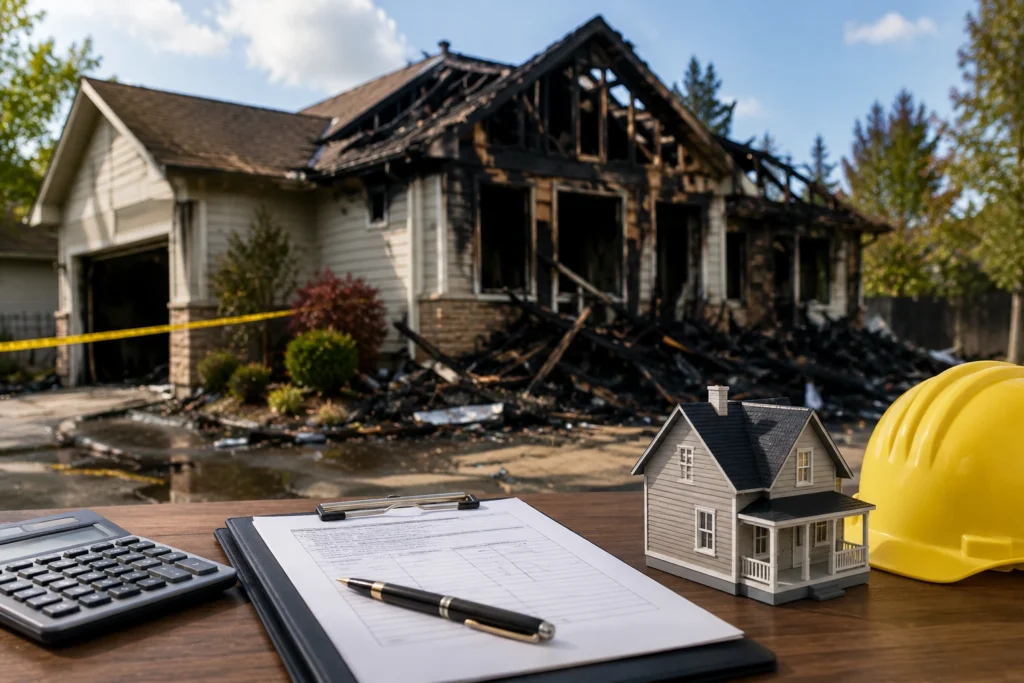
A house fire can change everything in a matter of minutes. One moment you’re planning your week, and the next you’re dealing with smoke, damaged belongings, and difficult questions from your insurance company. That’s why understanding What Does Fire Insurance Actually Cover? before disaster strikes is so important. Many homeowners assume every type of fire damage is automatically covered, only to discover that coverage depends on policy language, exclusions, and coverage limits. Knowing what to expect can make the recovery process much smoother. Fire insurance is about much more than repairing burned walls. Depending on the policy, it may help pay for rebuilding your home, replacing personal belongings, covering smoke damage, paying for water damage caused by firefighting efforts, and even funding temporary housing while repairs are completed. Understanding these protections allows homeowners to make informed decisions before filing a claim. For property owners in Desoto, reviewing fire insurance coverage before an emergency occurs can prevent costly surprises later.
Unfortunately, confusion about fire insurance remains common. Many people believe every fire-related expense is covered without limitation. Others assume the insurance company will automatically identify every item that needs to be repaired or replaced. Neither assumption is always accurate. Insurance policies contain definitions, exclusions, deductibles, and payment limits that directly affect how much compensation may ultimately be available.
Recovering after a fire also involves more than documenting visible flames. Smoke can spread throughout an entire structure, soot may contaminate HVAC systems, and water used to extinguish the fire can damage flooring, drywall, insulation, furniture, and electronics. A comprehensive claim often requires evaluating multiple types of damage instead of focusing solely on the burned area. Understanding your policy before disaster strikes puts you in a much stronger position. It allows you to know what information insurers may request, what documentation strengthens a claim, and which expenses might qualify for reimbursement. That preparation often reduces stress during one of life’s most difficult situations.
Another important part of the recovery process involves understanding Inside the Role of a Fire Insurance Adjuster. Adjusters inspect the property, review policy language, document damage, estimate repair costs, and determine how coverage applies. Knowing how this process works helps homeowners communicate more effectively and better understand the decisions being made throughout the claim. Throughout this guide, we’ll break down the major components of fire insurance coverage, explain what is commonly included, discuss common exclusions, and explore why some claims become disputed. Whether you’re reviewing your current policy or preparing for the unexpected, you’ll gain practical knowledge that helps you make better insurance decisions.
What Is Fire Insurance?
Fire insurance is financial protection designed to help property owners recover after a covered fire damages their home or other insured structures. While many people refer to “fire insurance” as though it’s a standalone policy, fire coverage is often included within a standard homeowners insurance policy.
Its primary purpose is straightforward: reduce the financial burden caused by accidental fires. Instead of paying entirely out of pocket for rebuilding costs, damaged belongings, or temporary living arrangements, policyholders may receive compensation according to the terms of their policy. However, coverage is never unlimited. Every insurance policy contains specific conditions describing what is covered, how losses are valued, and which situations are excluded.
Fire Insurance vs. Homeowners Insurance
Many homeowners use the two terms interchangeably, but they’re not exactly the same. A homeowners insurance policy generally includes several different protections under one policy, including:
- Fire damage
- Wind damage
- Hail damage
- Theft
- Liability protection
- Additional living expenses
- Other covered perils
Fire insurance represents one portion of this broader protection. In some situations particularly with properties located in high-risk wildfire regions or homes that cannot qualify for traditional homeowners insurance a separate fire insurance policy may be necessary.
Why Mortgage Companies Care About Fire Coverage
When someone finances a home purchase, the lender has a financial interest in the property. If a catastrophic fire destroys the structure, both the homeowner and lender face substantial financial loss. For that reason, mortgage companies usually require homeowners to maintain adequate fire coverage throughout the life of the loan. If coverage lapses, the lender may purchase force-placed insurance, which is often more expensive and provides less protection for the homeowner.
Replacement Cost vs. Actual Cash Value
One of the most important sections of any policy involves how losses are calculated. Generally, policies use one of two valuation methods:
| Valuation Method | How It Works |
| Replacement Cost | Pays the cost to repair or replace damaged property with similar materials, subject to policy terms. |
| Actual Cash Value | Factors depreciation into the settlement, reducing payment based on age and condition. |
Understanding which valuation method applies can significantly affect the amount received after a fire.
What Fire Insurance Usually Covers
Although every policy differs, most fire insurance policies cover several major categories of damage resulting from a covered fire.
Damage to the Main Home
The dwelling itself usually receives the largest portion of protection.
Depending on the extent of damage, insurance may help pay for repairs involving:
- Roofing systems
- Structural framing
- Exterior walls
- Interior walls
- Ceilings
- Flooring
- Windows
- Doors
- Attached garages
- Built-in cabinetry
- Plumbing systems
- Electrical wiring
- HVAC equipment
In severe losses where repairs aren’t practical, the policy may contribute toward rebuilding the home.
Smoke Damage
Many homeowners underestimate how destructive smoke can be. Even if flames remain confined to one room, smoke often travels throughout the structure.
Smoke damage may affect:
- Paint
- Drywall
- Insulation
- Furniture
- Clothing
- Electronics
- Artwork
- Air ducts
- Window coverings
Removing smoke odors frequently requires specialized cleaning equipment rather than ordinary household cleaning products.
Water Damage From Firefighting Efforts
Ironically, extinguishing a fire often creates another major source of damage. Firefighters use tremendous amounts of water to control flames quickly.
That water may soak:
- Hardwood flooring
- Carpeting
- Cabinets
- Drywall
- Insulation
- Furniture
- Electrical components
Many fire insurance policies recognize this secondary damage as part of the covered fire loss because it results directly from emergency firefighting efforts. Prompt drying is critical. Standing moisture increases the risk of mold growth and additional structural deterioration.
Damage From Explosions
Some fires begin with explosions rather than open flames.
Examples include:
- Natural gas explosions
- Propane incidents
- Furnace malfunctions
- Water heater failures
- Appliance explosions
If the event qualifies under the policy, resulting structural damage may be covered alongside the fire damage itself.
Damage Caused by Lightning
Lightning remains one of the more common natural causes of residential fires.
Coverage may extend to:
- Roof damage
- Attic fires
- Burned electrical systems
- Damaged wiring
- Power surge damage when covered
- Structural repairs
Even if flames are extinguished quickly, hidden electrical damage may require professional inspection before the home can be safely occupied again.
Other Structures That May Be Covered
Fire insurance frequently extends beyond the primary residence. Many policies include protection for detached structures located on the same property.
Examples include:
- Detached garages
- Storage buildings
- Workshops
- Garden sheds
- Gazebos
- Fences
- Detached guest houses
- Carports
Coverage limits for these structures often differ from the dwelling limit, making it worthwhile to review your policy before a loss occurs.
If you’ve recently added a workshop, outdoor kitchen, or detached office, updating your policy helps ensure those improvements receive appropriate protection.
Personal Property Coverage
Replacing the structure is only one part of recovering after a fire. Inside nearly every home are years of accumulated belongings, many of which represent significant financial value. Furniture, clothing, electronics, appliances, kitchen equipment, and family keepsakes can all be affected by flames, smoke, heat, or water used during firefighting efforts.
Personal property coverage is designed to help replace many of these items, subject to the limits and conditions of the policy. In most cases, insurers will ask homeowners to prepare a detailed inventory of damaged belongings, including descriptions, approximate purchase dates, and estimated values. Photographs, receipts, warranty documents, and credit card statements can all help support ownership and value.
Common examples of personal property that may be covered include:
- Sofas and chairs
- Beds and mattresses
- Dining tables
- Clothing and shoes
- Televisions
- Computers
- Tablets
- Smartphones
- Kitchen appliances
- Cookware
- Small household electronics
- Children’s toys
- Home décor
- Books
- Linens
- Tools used for household maintenance
Some categories, however, may be subject to lower limits unless additional endorsements have been purchased.
| Usually Covered | May Have Special Limits |
| Furniture | Jewelry |
| Clothing | Cash |
| Electronics | Collectibles |
| Appliances | Firearms |
| Bedding | Fine art |
For valuable collections or high-end personal items, scheduling them separately under the policy can provide broader protection than relying solely on standard coverage limits. Here is Part 2, continuing from the end of Part 1 and completing the article.
Does Fire Insurance Cover Temporary Living Expenses?
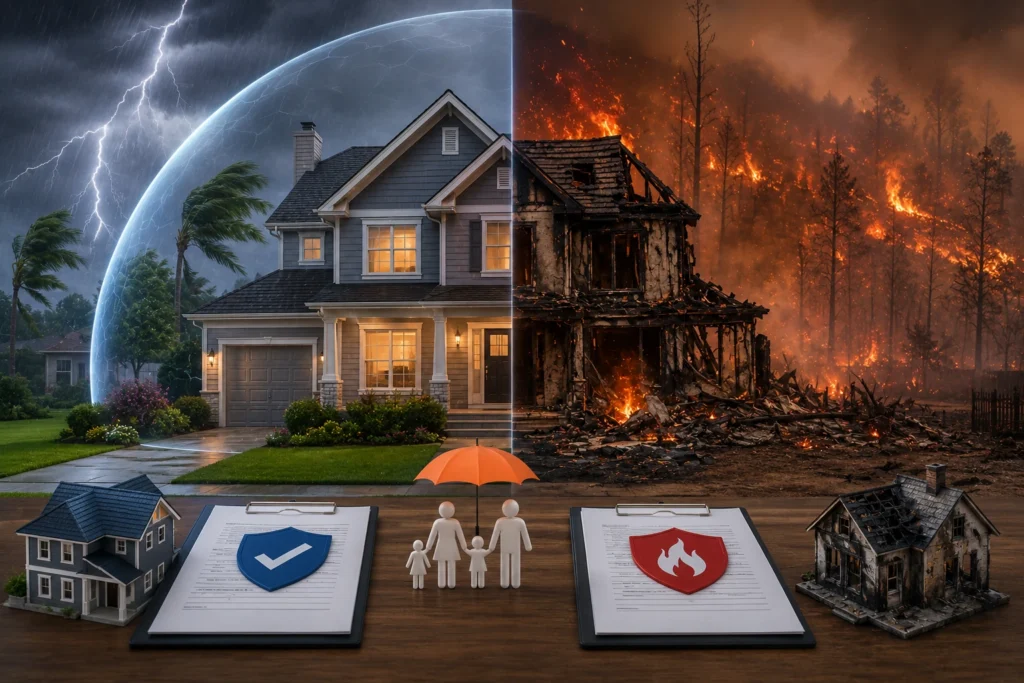
A serious fire can leave a home unsafe for weeks or even months. When that happens, the financial burden extends well beyond repairing the structure. Families still need a safe place to live, meals to eat, and basic necessities while restoration work is underway. Most homeowners policies include Additional Living Expenses (ALE) coverage, sometimes referred to as “loss of use” coverage. If a covered fire makes your home uninhabitable, ALE may reimburse reasonable costs above your normal day-to-day living expenses.
Depending on your policy, covered expenses may include:
- Hotel accommodations
- Rental homes or apartments
- Restaurant meals when cooking isn’t possible
- Laundry services
- Pet boarding
- Additional transportation costs
- Furniture rental
- Storage unit fees
Keep every receipt. Insurance companies typically require documentation before reimbursing these expenses, and organized records can help avoid delays.
What Fire Insurance Usually Does NOT Cover
Understanding What Does Fire Insurance Actually Cover? also means understanding what it often excludes. No insurance policy covers every possible situation, and knowing the limitations can help you avoid unpleasant surprises. Some common exclusions include:
Intentional Fires
Insurance is designed to protect against accidental losses. Fires that are intentionally set by the policyholder are generally excluded and may result in claim denial or legal consequences.
Fraud
Submitting false documentation, inflating repair costs, or claiming items that were never damaged can jeopardize an entire claim.
Vacant Property Limitations
Some policies reduce or eliminate coverage if a property remains vacant for an extended period without notifying the insurer.
Lack of Maintenance
Insurance generally covers sudden events rather than damage caused by long-term neglect. Faulty wiring left unrepaired for years or unsafe heating equipment may complicate coverage.
Wear and Tear
Aging materials, deteriorated roofing, or gradual deterioration are maintenance issues rather than insured losses.
Earth Movement and Flood Damage
If a fire is followed by flooding or other excluded events, portions of the resulting damage may require separate insurance policies.
Business Property Limitations
Home-based businesses often have limited protection under standard homeowners insurance. Specialized business coverage may be necessary for expensive equipment or inventory.
Does Fire Insurance Cover Wildfires?
For many homeowners, wildfire coverage is an important concern. Standard homeowners insurance policies often cover wildfire damage, but coverage availability depends on location, underwriting guidelines, and policy terms. In areas with elevated wildfire risk, insurers may impose higher deductibles, additional requirements, or underwriting restrictions.
Property owners should periodically review their policies to ensure their dwelling limits accurately reflect current rebuilding costs. Construction expenses frequently increase over time, and outdated limits may leave homeowners underinsured after a major fire.
Common Causes of House Fires That Are Often Covered
Many different accidental events can trigger a covered fire loss.
Common examples include:
- Electrical wiring failures
- Kitchen cooking accidents
- Grease fires
- Fireplace sparks
- Space heater malfunctions
- Furnace failures
- Lightning strikes
- Dryer lint ignition
- Candle accidents
- Christmas tree fires
- Garage fires
- Appliance malfunctions
The exact cause of the fire is often investigated during the claims process to determine whether coverage applies under the policy.
How Insurance Companies Evaluate Fire Damage Claims
After a fire is reported, the insurance company begins a structured investigation to determine the extent of covered damage and estimate repair costs. The process usually starts with an inspection of the property. Adjusters examine structural damage, photograph affected areas, and identify obvious signs of fire, smoke, heat, and water intrusion.
Next comes a cause-and-origin investigation. The insurer may work with fire investigators to determine how the fire started. This helps confirm whether the loss falls within the policy’s covered causes. Personal property is then documented. Homeowners are often asked to prepare an inventory listing damaged belongings along with estimated values and supporting documentation whenever available.
Repair estimates follow. Contractors, engineers, and restoration specialists may inspect the property to evaluate structural integrity, smoke contamination, and necessary rebuilding work. Finally, the insurance company reviews policy language before issuing payment decisions. This includes deductibles, coverage limits, endorsements, exclusions, depreciation, and replacement cost provisions. During a fire investigation, experts may also evaluate pyrolysis, the thermal decomposition process that contributes to how fires spread through combustible materials.
Why Fire Insurance Claims Become Disputed
Although many fire claims are resolved without major disagreements, others become far more complicated. One common issue involves underestimated repair costs. Hidden smoke contamination, damaged insulation, compromised framing, or electrical problems may not be immediately visible during the first inspection.
Another frequent dispute concerns replacement cost versus actual cash value. Homeowners may expect the full cost of replacing damaged property, while the insurer applies depreciation according to the policy. Personal property inventories can also become points of disagreement. Without photographs, receipts, or detailed records, determining the value of destroyed belongings becomes more difficult.
Other sources of dispute include:
- Hidden structural damage
- Smoke odor remediation
- Water damage restoration
- Building code upgrades
- Matching replacement materials
- Contractor pricing differences
- Policy interpretation
- Partial claim denials
Understanding What Does Fire Insurance Actually Cover? helps homeowners recognize these issues early and respond with better documentation.
How a Public Adjuster Can Help After a Fire Loss
Recovering from a fire often means managing contractors, temporary housing, paperwork, and insurance communications simultaneously. That can quickly become overwhelming. A public adjuster works on behalf of the policyholder rather than the insurance company. Their goal is to evaluate the loss independently and help ensure that covered damage is thoroughly documented.
Services commonly include:
- Independent property inspections
- Detailed damage documentation
- Policy review
- Personal property inventory assistance
- Repair estimate preparation
- Claim presentation
- Negotiation with the insurance company
For homeowners in Desoto, experienced claim assistance can provide valuable guidance when complex coverage questions or valuation disagreements arise after a significant fire loss.
Steps to Take Immediately After a Fire
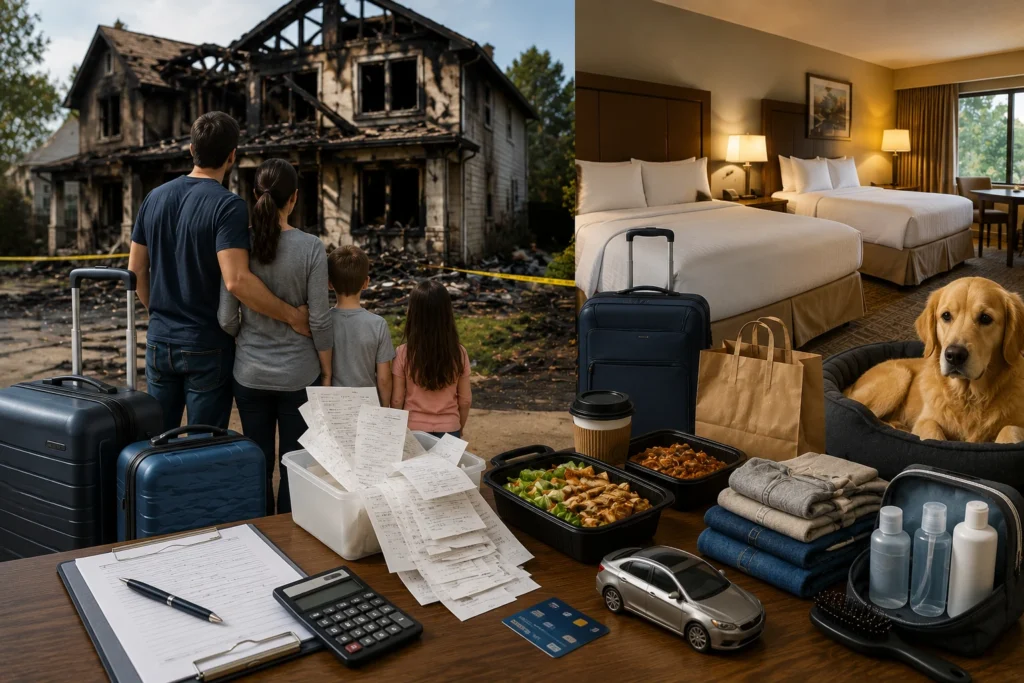
The hours following a fire are often stressful, but taking organized steps can strengthen your claim and help protect your financial recovery.
- Confirm everyone is safe and seek medical attention if needed.
- Contact emergency responders if they have not already been notified.
- Notify your insurance company as soon as practical.
- Secure the property to prevent additional damage or theft.
- Photograph every damaged area before cleanup begins whenever possible.
- Save receipts for emergency purchases and temporary housing.
- Avoid throwing away damaged belongings until the insurer authorizes disposal.
- Prepare a detailed inventory of damaged personal property.
- Keep copies of every estimate, invoice, email, and letter.
- Consider obtaining professional assistance if significant claim disputes develop.
These actions create a stronger record of the loss and may reduce delays throughout the claims process.
Tips for Making Sure You Have Enough Fire Insurance Coverage
The best time to review insurance coverage is before a fire occurs.
Consider these practical steps:
- Review your homeowners policy every year.
- Update dwelling limits to reflect current rebuilding costs.
- Create a home inventory with photographs and videos.
- Save receipts for major purchases.
- Understand your deductible.
- Ask about replacement cost coverage.
- Consider ordinance or law coverage.
- Review personal property limits.
- Add endorsements for valuable jewelry, artwork, or collectibles.
- Confirm your Additional Living Expenses limits.
Small adjustments today can make an enormous difference after a future loss.
Conclusion
When homeowners ask, What Does Fire Insurance Actually Cover?, the answer is broader than many people expect. Coverage often extends beyond repairing burned structures to include smoke damage, water damage from firefighting efforts, personal belongings, detached structures, and temporary living expenses. At the same time, every policy contains exclusions, deductibles, and coverage limits that deserve careful attention.
Preparing before disaster strikes is one of the smartest financial decisions a homeowner can make. Reviewing your policy annually, documenting valuable possessions, and understanding the claims process can reduce uncertainty during an already difficult time. If a fire does occur, remember that thorough documentation, prompt communication, and a clear understanding of your policy are essential. The better prepared you are, the stronger your position throughout the claims process. For homeowners in Desoto, taking time today to understand What Does Fire Insurance Actually Cover? can help protect your home, your finances, and your peace of mind tomorrow.
FAQs
Fire insurance typically covers damage to your home’s structure, personal belongings, smoke damage, water damage from firefighting efforts, and additional living expenses, subject to your policy terms.
Yes. Most standard homeowners insurance policies include fire coverage as one of the covered perils, although limits and exclusions vary by policy.
In many cases, yes. Fire insurance often covers smoke and soot cleanup, deodorization, and repairs to affected areas when the damage results from a covered fire.
Most policies cover personal property such as furniture, clothing, electronics, and appliances, but high-value items like jewelry may have coverage limits.
Yes. If your home becomes uninhabitable due to a covered fire, your policy may include Additional Living Expenses (ALE) for temporary housing and other necessary costs.
It often does. Many policies include limited coverage for detached structures like garages, sheds, fences, and workshops located on the insured property.
Intentional fires, fraud, damage caused by neglect, certain vacant property losses, and other excluded events are generally not covered by fire insurance.
The timeline varies depending on the severity of the damage and the complexity of the claim, but larger losses often take several weeks or months to fully resolve.
Yes. If you believe the settlement doesn’t reflect the full extent of your covered loss, you can provide additional documentation or seek professional claim assistance.
A public adjuster may be beneficial for large or complicated fire losses by helping document damages, interpret policy coverage, and negotiate with the insurance company on your behalf.