
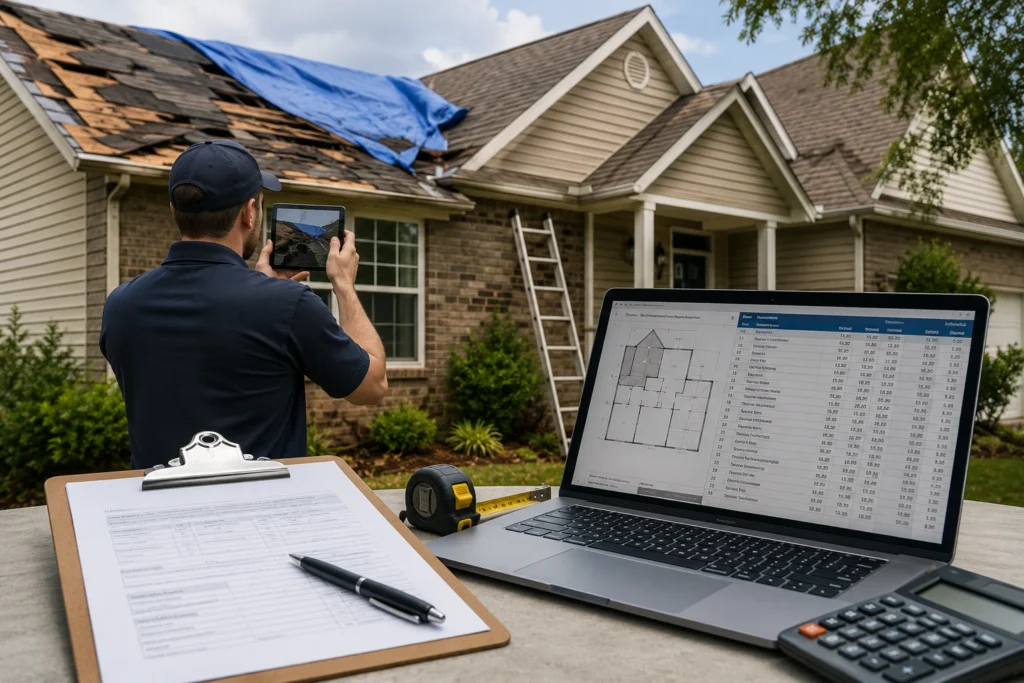
Receiving an insurance estimate after property damage can feel like reaching the finish line until you realize the amount falls far short of what it will actually cost to restore your home. At that moment, one question immediately comes to mind: Can You Fight an Insurance Estimate? The answer is yes, and understanding your rights could make a significant difference in your financial recovery. Many homeowners mistakenly believe the insurance company’s first offer is final, but estimates are often revised when supported by strong evidence. If you’re dealing with storm, fire, water, or other covered property damage, knowing how the claims process works can help you pursue a fair outcome instead of settling for less than your policy may provide.
Insurance claims are designed to help policyholders recover after unexpected losses, but the process isn’t always straightforward. Adjusters work under tight schedules, inspections may be limited, and some forms of damage aren’t immediately visible. As a result, initial estimates can overlook important repairs or underestimate the actual cost of restoring a property. That’s why reviewing every detail before accepting an estimate is so important. Many property owners feel intimidated when they disagree with an insurance company’s findings. They assume the insurer has the final say or that questioning the estimate could delay the claim indefinitely. Fortunately, that’s rarely the case. Insurance estimates are based on information available during the inspection, and when new documentation, expert opinions, or overlooked damage comes to light, those estimates can often be updated.
The goal isn’t to create conflict with your insurance company. Instead, it’s to ensure the estimate accurately reflects the true cost of returning your property to its pre-loss condition. A well-documented claim supported by photographs, contractor evaluations, and detailed repair estimates often creates opportunities for productive discussions that benefit everyone involved. Understanding complex concepts during an insurance claim can also help homeowners make more informed decisions. For example, the engineering concept of Finite-element method explains how structures respond to different forces and stresses, making it an important analytical tool in structural assessments after significant property damage. Whether your roof was damaged by hail, your home suffered water intrusion, or a fire caused extensive structural issues, learning how estimates are prepared and why they sometimes fall short can put you in a stronger position. This guide explains the process from start to finish and offers practical steps you can take if you believe your estimate doesn’t accurately reflect the scope of your loss.
What Is an Insurance Estimate?
An insurance estimate is a written calculation of what an insurance company believes it will cost to repair or replace covered property after a loss. It serves as the foundation for determining how much the insurer is willing to pay under the terms of the policy. While estimates often appear highly detailed, they’re still estimates not guarantees. They represent one assessment based on the information gathered during the inspection. Most estimates include dozens or even hundreds of individual line items covering every aspect of the repair process.
How Insurance Companies Create Estimates
After a claim is filed, the insurance company assigns an adjuster to inspect the damaged property. During this visit, the adjuster documents visible damage, takes photographs, records measurements, and gathers information about the cause of the loss. The collected information is then entered into specialized estimating software that calculates repair costs using regional labor rates and material pricing.
Several factors influence the final estimate, including:
- Type of damage
- Age of the property
- Construction materials
- Local labor costs
- Building code considerations
- Policy limitations
- Deductibles
- Depreciation
Although technology has made estimating more consistent, software can only calculate what is entered into it. If damage is overlooked during the inspection, it won’t appear in the estimate.
What Is Included in an Estimate?
A typical insurance estimate covers much more than shingles or drywall. It often breaks repairs into individual categories, assigning costs to each task required to restore the property.
Common components include:
| Estimate Component | Purpose |
| Demolition | Removal of damaged materials |
| Debris removal | Hauling away waste |
| Labor | Skilled installation and repairs |
| Materials | Replacement building products |
| Equipment | Rental of necessary tools |
| Painting | Interior and exterior finishes |
| Cleaning | Post-repair cleanup |
| Taxes | Applicable sales tax |
| Overhead and profit | Included in certain qualifying projects |
Reviewing each section carefully helps homeowners identify omissions before agreeing to a settlement.
Can You Fight an Insurance Estimate?
The simple answer is yes. Many people believe an insurance company’s first estimate is non-negotiable. In reality, it often serves as the starting point for discussions rather than the final resolution. If you believe repairs will cost substantially more than the estimate provided, you have every right to question the findings and submit additional evidence.
This is one of the biggest misconceptions surrounding property insurance claims. Insurance companies expect disagreements to occur from time to time because estimating property damage involves professional judgment. Different inspectors may legitimately arrive at different conclusions based on what they observe. That means Can You Fight an Insurance Estimate? isn’t simply a theoretical question—it’s a practical option available to many policyholders.
The Short Answer
Yes, you can challenge an insurance estimate when you believe it doesn’t accurately reflect covered damage. However, successful disputes rely on facts rather than frustration. Instead of simply arguing that the estimate feels too low, homeowners should focus on providing objective documentation demonstrating why additional compensation may be appropriate.
Strong supporting evidence often includes:
- Independent contractor estimates
- Professional inspection reports
- High-quality photographs
- Videos documenting damage
- Building code references
- Manufacturer documentation
- Engineering reports when appropriate
Facts persuade far more effectively than opinions.
Why Insurance Estimates Are Often Revised
Insurance estimates change for many legitimate reasons. Sometimes hidden damage isn’t visible until demolition begins. Other times, contractors identify structural concerns that couldn’t be observed during the initial inspection.
Material pricing also changes regularly. Following widespread storms, demand for roofing materials, lumber, drywall, and skilled labor often increases dramatically. Estimates prepared early in the claim process may not reflect updated market conditions by the time repairs begin.
Other common reasons estimates are revised include:
- Missed roof slopes
- Incomplete room measurements
- Hidden moisture damage
- Mold remediation requirements
- Electrical damage behind walls
- Plumbing repairs
- Foundation movement
- Code-required upgrades
None of these automatically guarantee a higher settlement, but they frequently justify additional review.
Common Reasons Insurance Estimates Are Too Low
Most underestimated claims aren’t the result of bad intentions. More often, they’re the product of incomplete information, limited inspections, or damage that simply wasn’t visible during the first visit. Understanding where discrepancies commonly occur helps homeowners identify potential issues before repairs begin.
Incomplete Inspections
No inspection is perfect. Adjusters often have limited time on-site and may be unable to inspect every concealed area of a property. Some damage simply cannot be confirmed without removing roofing materials, drywall, insulation, or flooring. For example, water stains on a ceiling may indicate far more extensive moisture damage hidden inside the attic or wall cavities. If those concealed areas weren’t accessible during the original inspection, they may not appear in the estimate.
Hidden Structural Damage
Visible damage tells only part of the story. A roof may show only a handful of damaged shingles while underlying decking has absorbed moisture. Likewise, a small crack in drywall may signal movement affecting framing members behind the wall.
Hidden damage commonly involves:
- Roof decking
- Structural framing
- Insulation
- Electrical wiring
- Plumbing systems
- HVAC components
- Moisture barriers
Additional inspections performed during repairs often reveal issues requiring supplemental estimates.
Incorrect Material Pricing
Construction pricing rarely remains constant. Labor shortages, supply chain disruptions, seasonal demand, and regional market conditions can all affect repair costs. An estimate based on outdated pricing may no longer reflect what contractors actually charge to complete the work. Obtaining multiple contractor estimates provides valuable insight into current local pricing and helps homeowners determine whether adjustments may be appropriate.
Missing Line Items
One of the most common reasons homeowners question an insurance estimate is because essential repair tasks are simply absent. An estimate can appear detailed at first glance, yet still leave out work that must be completed before the property is fully restored. Think of a roof replacement. The estimate may include new shingles but fail to account for replacing damaged flashing, drip edge, ridge vents, underlayment, or ventilation components. Each missing item increases the homeowner’s out-of-pocket expenses if the estimate isn’t updated.
Commonly overlooked line items include:
- Flashing replacement
- Roof underlayment
- Ice and water barriers where required
- Gutters and downspouts
- Interior painting after repairs
- Texture matching
- Insulation replacement
- Temporary roof tarping
- Dumpster rental
- Final debris removal
- Permit fees
- Cleaning after construction
Even small omissions can add up to thousands of dollars across a large restoration project.
Code Upgrade Requirements
Buildings constructed years ago often no longer meet today’s construction standards. If covered repairs trigger local building code requirements, additional work may be necessary before repairs can legally be completed.
Examples include:
- Updated electrical wiring
- Modern roof ventilation
- Improved fastening systems
- Fire-resistant materials
- Energy-efficiency requirements
- Structural reinforcement
Depending on the policy, ordinance or law coverage may help pay for these required upgrades. If code-related costs are missing from the estimate, they should be discussed before repairs begin.
Matching Issues
Repairing only part of a damaged home isn’t always straightforward. Suppose a section of siding is damaged during a storm, but the original product has been discontinued. The replacement material may function perfectly while looking noticeably different from the remaining exterior.
Similar problems occur with:
- Roofing shingles
- Ceramic tile
- Hardwood flooring
- Vinyl siding
- Interior paint
- Cabinets
- Countertops
Matching concerns can significantly influence repair recommendations and should be documented carefully.
Depreciation Errors
Insurance estimates often include depreciation, particularly when claims are settled on an actual cash value basis before repairs are completed. While depreciation is common, mistakes can happen. Incorrect roof age, inaccurate material descriptions, or misunderstandings about the condition of the property may result in depreciation amounts that are higher than appropriate. Reviewing these calculations can help identify opportunities for correction.
Signs You Should Challenge the Estimate
Not every insurance estimate requires a dispute. However, certain situations deserve a closer look. If any of the following sound familiar, it may be worth gathering additional information before accepting the settlement.
- Your contractor’s estimate is substantially higher than the insurance estimate.
- Significant damage was overlooked during the inspection.
- Interior water damage wasn’t included.
- Roofing components are missing from the estimate.
- Material quantities appear inaccurate.
- Measurements don’t match your home’s actual dimensions.
- Required permits aren’t listed.
- Local labor costs appear unusually low.
- Repairs won’t restore the property to its pre-loss condition.
- Hidden damage is discovered after demolition begins.
One issue alone may justify asking questions. Several issues together often indicate the estimate deserves another review.
What You Should Do Before Challenging an Estimate
Preparation matters. The stronger your documentation, the easier it becomes to explain why additional compensation may be warranted. Rather than reacting emotionally, focus on building a clear and organized case supported by evidence.
Review Your Insurance Policy
Before disputing anything, understand what your policy actually covers.
Look for sections addressing:
- Covered causes of loss
- Exclusions
- Deductibles
- Replacement cost provisions
- Actual cash value
- Ordinance or law coverage
- Additional living expenses
- Claim deadlines
Knowing your policy helps separate coverage issues from estimating issues.
Read Every Page of the Estimate
Many homeowners only review the settlement amount. Instead, read every line item.
Pay attention to:
- Quantities
- Material descriptions
- Labor charges
- Room dimensions
- Unit prices
- Scope of repairs
- Notes from the adjuster
Small errors often hide inside lengthy reports. Highlight anything that appears incomplete or inconsistent.
Document All Damage
Documentation strengthens every insurance claim. Photograph damage from multiple angles and distances. Capture both wide shots and close-up images showing specific problems.
Don’t limit yourself to obvious damage.
Document:
- Roof surfaces
- Gutters
- Flashing
- Windows
- Doors
- Ceilings
- Walls
- Flooring
- Cabinets
- Electrical fixtures
- Plumbing fixtures
- Exterior elevations
If additional damage develops over time, photograph that as well.
Take Updated Photos
Damage can evolve after the initial inspection. Water intrusion spreads. Mold develops. Structural movement becomes more noticeable. Taking updated photographs throughout the claim process creates a timeline that supports supplemental requests if conditions worsen.
Save Every Receipt
Insurance claims often involve emergency expenses long before repairs begin.
Keep receipts for:
- Temporary repairs
- Tarps
- Fans
- Dehumidifiers
- Hotel stays
- Emergency supplies
- Debris removal
- Storage units
Organized records simplify reimbursement discussions later.
Keep Communication in Writing
Whenever possible, communicate by email.
Written communication creates a record of:
- Questions asked
- Responses received
- Documents submitted
- Deadlines
- Inspection requests
Clear documentation reduces misunderstandings and helps everyone stay on the same page.
How to Fight an Insurance Estimate
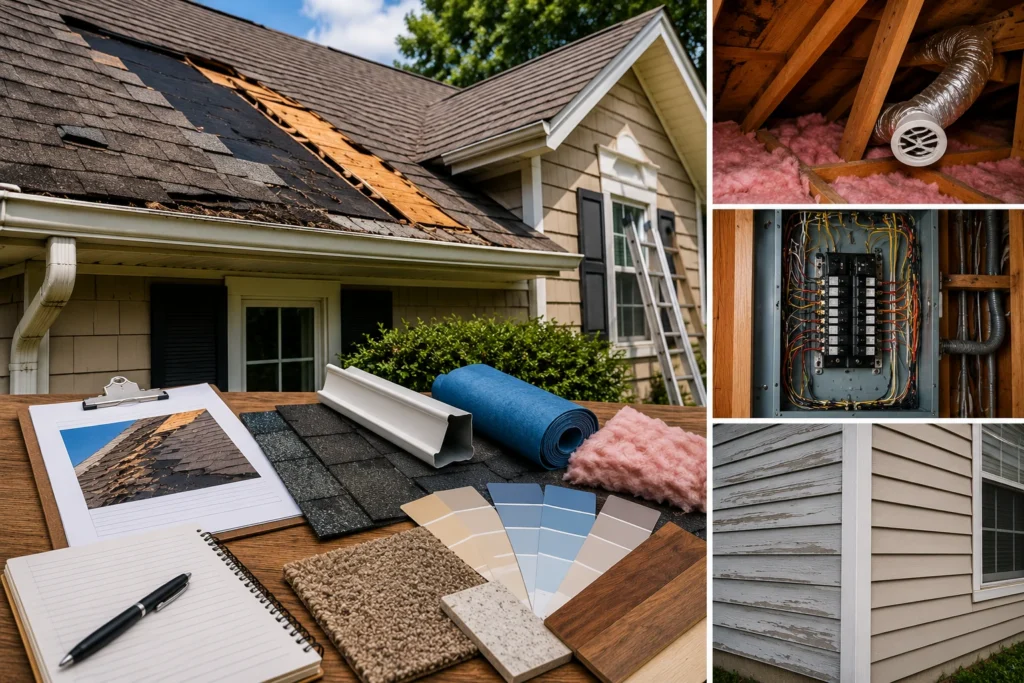
If you believe the estimate doesn’t accurately reflect the damage, don’t rush into an argument. Approach the situation methodically. Professional, well-supported communication is usually far more effective than emotional demands.
Step 1 – Request a Detailed Explanation
Start by asking your adjuster to explain the estimate.
Questions might include:
- Why were certain repairs excluded?
- How were measurements calculated?
- Were code upgrades considered?
- What pricing database was used?
- Was depreciation applied correctly?
Sometimes simple clarification resolves the issue immediately.
Step 2 – Gather Independent Repair Estimates
Independent contractors provide valuable perspective.
Request written estimates that clearly identify:
- Scope of work
- Material specifications
- Labor costs
- Estimated timeline
- Permit requirements
- Code-related repairs
Avoid relying solely on verbal opinions. Detailed written proposals carry much greater weight.
Step 3 – Submit Additional Evidence
Once you’ve assembled supporting documentation, organize it into a professional package.
Include:
| Supporting Evidence | Why It Matters |
| Contractor estimates | Demonstrates current repair costs |
| Inspection reports | Provides independent findings |
| Photographs | Documents visible damage |
| Videos | Shows conditions in greater detail |
| Material quotes | Supports pricing differences |
| Building code references | Justifies required upgrades |
| Manufacturer notices | Confirms discontinued products |
| Moisture reports | Documents hidden water damage |
The easier you make it for the adjuster to review the information, the smoother the discussion often becomes.
Step 4 – Request a Reinspection
Sometimes the best solution is another inspection. A reinspection allows newly discovered damage, overlooked areas, or contractor findings to be reviewed in person.
This is also an appropriate opportunity to discuss issues that weren’t fully addressed during the initial visit. For homeowners wondering Can You Reopen a Hail Damage Insurance Claim, additional inspections may also play an important role when previously hidden storm damage becomes apparent after the original claim was processed or when supplemental damage is discovered during repairs.
Step 5 – Negotiate Professionally
Successful negotiations focus on evidence rather than opinions. Remain respectful. Stay organized. Support every request with documentation. Remember that insurance adjusters are evaluating facts, not emotions. Professional communication often leads to more productive conversations and better outcomes for everyone involved.
Step 6 – File a Supplemental Claim if Needed
Not every insurance claim ends after the first payment. As repairs begin, contractors sometimes uncover damage that couldn’t reasonably have been identified during the initial inspection. Wet insulation behind drywall, deteriorated roof decking beneath shingles, damaged electrical wiring, or hidden structural issues often become visible only after demolition starts.
When new covered damage is discovered, a supplemental claim may be appropriate. A supplemental claim isn’t about asking for more money simply because repairs cost more than expected. Instead, it provides documentation showing that additional covered damage exists and requires further consideration.
Supporting documents may include:
- Updated contractor estimates
- New photographs
- Engineering reports
- Moisture inspection reports
- Building code documentation
- Material invoices
- Repair invoices
Submitting supplemental information promptly helps keep the claim moving while reducing unnecessary delays.
Documents That Strengthen Your Case
Strong documentation often determines whether a disputed estimate receives additional review. The more organized your records, the easier it becomes to demonstrate why revisions may be justified.
| Document | Why It Helps |
| Contractor estimates | Shows realistic repair costs |
| Photographs | Documents visible damage before repairs |
| Videos | Captures conditions that photos may miss |
| Inspection reports | Provides independent professional findings |
| Engineering reports | Supports structural concerns |
| Building code references | Identifies required upgrades |
| Receipts | Verifies emergency expenses |
| Maintenance records | Demonstrates the property’s pre-loss condition |
| Manufacturer documentation | Confirms discontinued materials or matching issues |
| Communication records | Creates a timeline of the claim |
Organization matters just as much as the documents themselves. Creating folders by date, labeling photographs, and maintaining copies of emails allows information to be located quickly whenever questions arise.
Mistakes Homeowners Should Avoid
Even legitimate claims can become more complicated when avoidable mistakes occur. Knowing what not to do is every bit as important as understanding what you should do.
Accepting the First Offer Too Quickly
Many homeowners assume speed is the same as success. It’s understandable to want the process over with, especially after experiencing significant property damage. However, accepting an estimate before reviewing it carefully could leave important repairs unpaid. Take time to compare the estimate with contractor proposals before signing any settlement documents.
Throwing Away Damaged Materials
Damaged shingles, flooring, siding, cabinetry, or other materials may become valuable evidence. Unless your contractor advises otherwise, avoid disposing of damaged materials until questions surrounding the claim have been resolved. They may help demonstrate the extent of the damage or support discussions about material matching.
Making Permanent Repairs Immediately
Emergency measures to prevent additional damage are often appropriate. Permanent repairs, however, should generally wait until documentation is complete and any necessary inspections have taken place. Removing evidence too early can make later discussions much more difficult.
Missing Important Deadlines
Insurance policies frequently contain reporting requirements and time limits for submitting documentation or supplemental claims.
Create a simple checklist that includes:
- Inspection dates
- Document submission deadlines
- Follow-up reminders
- Contractor appointments
- Claim correspondence
Staying organized reduces unnecessary stress throughout the process.
Negotiating Emotionally
Property damage is personal. Your home represents security, memories, and financial investment. It’s completely understandable to feel frustrated when repair costs exceed the insurance estimate. Still, productive negotiations depend on facts. Calm, respectful communication supported by clear documentation is generally far more effective than emotional arguments.
When Hiring a Public Adjuster Makes Sense
Some claims are straightforward. Others become increasingly complex as additional damage is discovered, multiple contractors become involved, or disagreements over repair costs continue. In those situations, professional representation may provide valuable assistance.
A public adjuster works on behalf of the policyholder not the insurance company. Their role is to evaluate the loss, prepare an independent estimate, review policy provisions, organize supporting documentation, and negotiate with the insurer regarding covered damages. Hiring a public adjuster isn’t necessary for every claim, but it may be worth considering under certain circumstances.
Large Property Losses
Extensive fire, storm, or water damage often involves hundreds of individual repair items. Coordinating inspections, estimates, code requirements, and documentation can quickly become overwhelming. Professional assistance may help organize the process.
Complex Claims
Claims involving multiple causes of damage, commercial buildings, or complicated structural repairs often require extensive documentation. These situations benefit from detailed analysis and careful presentation of supporting evidence.
Fire Damage
Fire losses frequently involve more than burned building materials. Smoke contamination, soot cleanup, odor removal, electrical concerns, and water damage from firefighting efforts all contribute to the overall scope of repairs.
Water Damage
Moisture-related claims may continue evolving long after the initial inspection. Drywall, insulation, flooring, framing, and mold remediation requirements can substantially increase repair costs as hidden damage becomes apparent.
Storm Damage
High winds, hail, fallen trees, and wind-driven rain often affect multiple building systems simultaneously. Roofing, gutters, siding, windows, fencing, landscaping, and interior finishes may all require evaluation before the full scope of damage is understood.
Commercial Property Claims
Commercial buildings introduce additional complexity through business interruption, specialized equipment, code compliance, tenant improvements, and larger repair scopes. Professional claim management may help keep documentation organized while allowing business owners to focus on operations.
What If the Insurance Company Still Refuses?
Sometimes disagreements continue despite providing substantial documentation. Fortunately, homeowners may still have several options depending on the policy language and the specific circumstances of the claim.
Appraisal
Many insurance policies contain an appraisal provision. This process allows each party to select an independent appraiser, who then works with an impartial umpire if necessary to resolve disputes regarding the amount of loss. Appraisal generally addresses valuation disagreements rather than coverage disputes.
Mediation
Some claims may be suitable for mediation. A neutral third party helps facilitate productive discussions between the homeowner and the insurance company in an effort to reach a mutually acceptable resolution.
Filing a Complaint
If a homeowner believes the claim has not been handled appropriately, a complaint may be filed with the appropriate state insurance regulator. Regulators typically review whether insurers complied with applicable insurance laws and claim-handling requirements.
Legal Action
In certain situations, legal action may become appropriate. Because litigation involves significant time, cost, and legal considerations, it is generally viewed as a last resort after other resolution methods have been explored.
How Long Do You Have to Dispute an Insurance Estimate?
Every insurance policy contains its own deadlines. In addition, state laws may establish time limits affecting claim disputes, supplemental claims, or legal action. Rather than assuming plenty of time remains, act promptly.
Important factors include:
- Policy reporting requirements
- Supplemental claim deadlines
- Repair completion timelines
- Documentation requirements
- Statutory limitations
The earlier questions are addressed, the easier it typically becomes to preserve evidence and resolve disagreements.
Tips for Maximizing Your Insurance Settlement
Homeowners who approach claims strategically often place themselves in a stronger negotiating position.
Here are several practical recommendations:
- Read your entire insurance estimate before accepting it.
- Photograph everything before repairs begin.
- Keep receipts for every emergency expense.
- Request written contractor estimates.
- Review depreciation calculations carefully.
- Understand your policy’s coverage provisions.
- Communicate professionally and in writing whenever possible.
- Respond promptly to requests for information.
- Organize documents in chronological order.
- Ask questions whenever something appears unclear.
For many homeowners in Desoto, taking these simple but deliberate steps has helped create clearer discussions with insurers and reduced confusion throughout the claims process.
Why Local Experience Matters
Construction costs vary from one community to another. Material availability changes. Labor rates fluctuate. Building departments adopt different code requirements, and weather patterns influence the types of damage contractors see most often. Professionals who regularly work with property damage claims in Desoto understand many of these local factors and may recognize estimating issues that someone unfamiliar with the area could overlook.
Local contractors are also familiar with regional suppliers, permitting processes, and repair practices, all of which can influence the true cost of restoring a damaged property. That local knowledge becomes especially valuable when estimates require clarification or additional documentation.
Final Thoughts
So, Can You Fight an Insurance Estimate? Absolutely. In many cases, the first estimate is only the beginning of the claims process not the final outcome. Insurance estimates are based on inspections, available information, pricing data, and professional judgment. If important damage was overlooked, repair costs were underestimated, or hidden issues are discovered later, asking for a review is both reasonable and, in many situations, necessary. Throughout this guide, we’ve explored why estimates sometimes fall short, how to recognize warning signs, what documentation strengthens your position, and the practical steps you can take to pursue a more accurate settlement. The key is preparation. Detailed photographs, organized records, independent contractor estimates, and clear communication can make a meaningful difference when discussing your claim.
Remember, challenging an estimate doesn’t mean creating conflict. It means ensuring the scope of repairs accurately reflects the covered damage so your property can be restored as intended under the policy. If your claim involves extensive storm damage, fire, water intrusion, or other significant property loss, professional guidance may also be worth considering. Having experienced professionals review your documentation and estimate can provide additional insight into whether important repairs have been overlooked. If you’re facing a property damage claim in Desoto and believe your insurance estimate doesn’t fully reflect the repairs your property requires, taking the time to understand your options today may help protect both your home and your financial recovery tomorrow. After all, when it comes to Can You Fight an Insurance Estimate?, knowledge, preparation, and persistence are often your strongest tools.
FAQs
Yes. If you believe the estimate is too low, you can provide additional evidence and request a review or reinspection.
No. Initial estimates are often revised when new damage or supporting documentation is presented.
Compare both estimates line by line and submit the contractor’s detailed proposal to your insurance company.
Yes. Hidden damage discovered during repairs may qualify for a supplemental claim if it’s covered by your policy.
Use photographs, contractor estimates, inspection reports, receipts, and other documentation to support your position.
Not until you’ve carefully reviewed the estimate and confirmed it covers all necessary repairs.
A supplemental claim requests additional payment when covered damage is found after the original estimate is issued.
Yes. A public adjuster represents the policyholder and can negotiate with the insurance company on your behalf.
The deadline depends on your insurance policy and state laws, so review your policy and act promptly.
You may have options such as appraisal, mediation, filing a regulatory complaint, or pursuing legal action if appropriate.