
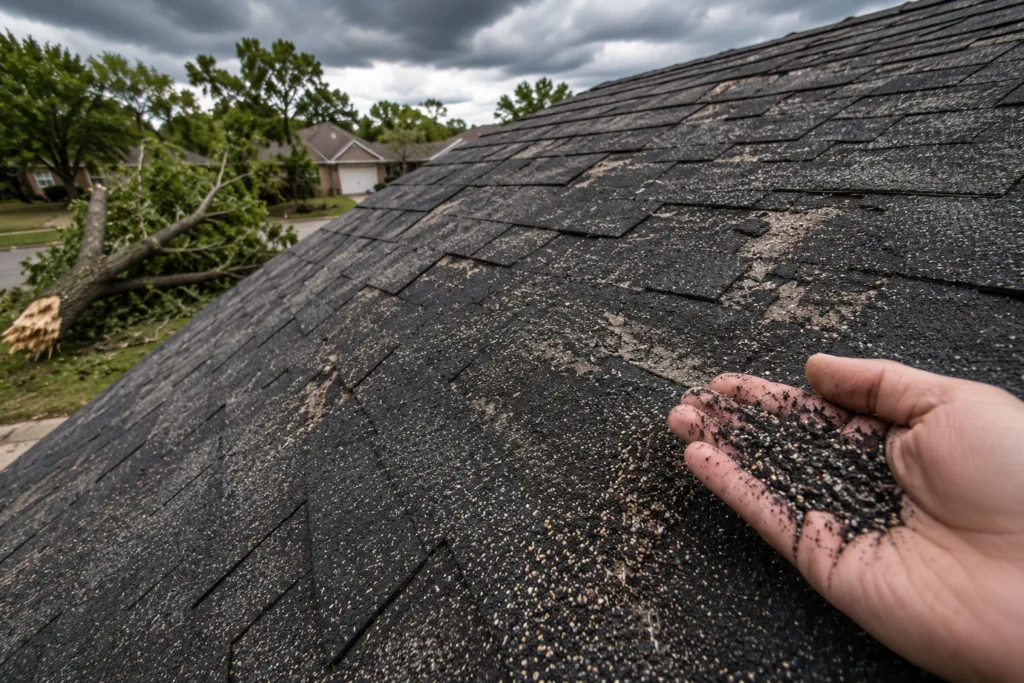
Your roof quietly protects your home every single day, yet one of its most important protective layers is often overlooked until something goes wrong. This roof granule loss insurance claim guide explains why those tiny mineral granules matter, how insurance companies evaluate damage, and what homeowners should do before filing a claim. Understanding the difference between normal aging and storm-related damage can make a significant difference when seeking insurance coverage, especially after severe weather affects homes in Desoto.
Most homeowners first notice roof granule loss when they find what looks like coarse black sand collecting inside gutters or around downspouts. Others spot dark patches across shingles after a hailstorm or high winds. While seeing granules on the ground may seem alarming, not every instance points to a covered insurance loss. Some granule shedding is expected throughout a roof’s lifespan, while other situations may indicate substantial damage requiring professional evaluation.
Insurance claims involving roofing systems rarely depend on a single photograph or one damaged shingle. Instead, insurers evaluate the overall condition of the roof, the cause of the damage, the timing of the event, maintenance history, and supporting documentation before determining whether coverage applies. Knowing how this process works helps homeowners make informed decisions instead of reacting under pressure.
Although this article focuses on roofing claims, many of the same documentation principles apply to other property losses. Similar claim investigation methods are discussed in Inside the Role of a Fire Insurance Adjuster, where detailed inspections, evidence collection, and policy interpretation also play an important role in determining coverage.
Understanding Roof Granules and Why They Matter
Many homeowners assume asphalt shingles consist only of asphalt. In reality, modern roofing systems are engineered with multiple protective layers that work together to defend against weather, sunlight, moisture, and physical impacts. The outer mineral granules are one of the most important components. Without them, shingles would deteriorate much faster under constant exposure to the elements.
What Roof Granules Actually Do
Roof granules serve several essential purposes beyond improving appearance. They help protect shingles from harmful ultraviolet rays that gradually break down asphalt. They also increase fire resistance, improve weather durability, and help disperse the force of hail impacts. Even the color of the granules contributes to energy efficiency by influencing how much solar heat the roof absorbs.
Their primary functions include:
- Protecting asphalt from UV exposure
- Improving fire resistance
- Reducing weather-related deterioration
- Increasing impact resistance
- Extending overall roof lifespan
- Helping regulate roof temperature
- Providing consistent color across the roofing system
Because granules perform so many jobs simultaneously, widespread loss can eventually expose the underlying asphalt to accelerated deterioration.
What Roofing Granules Are Made Of
Roof granules are manufactured from crushed stone or mineral particles that receive specialized ceramic coatings before being embedded into asphalt shingles during production. These coatings improve color retention while adding another layer of weather resistance. The manufacturing process is designed so the granules bond securely with asphalt, but not every granule remains attached forever. In fact, a small amount of loose granules immediately after installation is completely normal.
Why Granules Naturally Come Off Over Time
Not every granule found in your gutters signals roof damage. During manufacturing, extra granules are intentionally applied to ensure complete coverage. Any particles that do not fully adhere eventually wash away after several rainstorms.
As the roof ages, additional granules naturally loosen because of:
- Daily heating and cooling cycles
- Seasonal expansion and contraction
- Rainfall
- Wind exposure
- Ice formation
- Normal weathering
This gradual process differs significantly from sudden storm damage, which often removes granules in concentrated areas. Understanding that distinction becomes critical during an insurance claim.
When Granule Loss Becomes a Serious Problem
Every roof loses some granules throughout its service life. The challenge lies in determining when normal wear transitions into significant damage. Insurance companies make this distinction carefully because homeowners policies generally cover sudden accidental losses rather than gradual deterioration.
Normal Granule Loss vs. Damage
The following comparison helps illustrate the difference.
| Normal Aging | Potential Storm Damage |
| Light granules in gutters | Heavy granule accumulation after one storm |
| Even wear across roof | Localized bald areas |
| Minor fading | Dark exposed asphalt patches |
| Slow deterioration | Sudden changes after severe weather |
| No collateral damage | Evidence of hail or wind impacts |
While this table offers general guidance, every roof requires individual evaluation. Age alone does not determine whether damage is covered.
Warning Signs to Watch For
Certain indicators deserve closer attention, particularly after severe weather.
These include:
- Large bald spots on shingles
- Dark exposed asphalt
- Fiberglass mat becoming visible
- Significant granule accumulation inside gutters
- Uneven roof coloration
- Circular impact marks
- Missing or creased shingles
- Loose roofing materials
- Damaged flashing
The more widespread these conditions become, the greater the likelihood that the roof’s protective capabilities have been compromised.
Risks of Ignoring Granule Loss
Granules shield shingles from continuous environmental exposure. Once enough granules disappear, the asphalt underneath begins absorbing far more ultraviolet radiation. Over time, this accelerates drying, cracking, curling, and brittleness.
Ignoring significant granule loss may eventually contribute to:
- Water intrusion
- Shortened roof lifespan
- Increased leak potential
- Reduced wind resistance
- Premature roof replacement
- Interior moisture damage
- Mold growth
- Higher repair expenses
Small problems rarely remain small forever. Early evaluation often prevents more extensive damage later.
Common Causes of Roof Granule Loss
Understanding why granules come loose helps homeowners determine whether an insurance claim may be appropriate. Some causes involve sudden accidental events. Others result from years of gradual deterioration.
Hail Damage
Hail remains one of the leading causes of significant granule loss. When hailstones strike shingles, the impact may dislodge protective granules while bruising the asphalt underneath. Even if the roof appears intact from the ground, microscopic fractures can develop beneath the surface.
Signs commonly associated with hail include:
- Random impact marks
- Circular bruises
- Granule displacement
- Damaged roof vents
- Dented flashing
- Granules washing into gutters immediately after the storm
The size of the hail is only one factor. Wind speed, storm duration, and shingle condition also influence the severity of damage.
Wind Damage
High winds affect roofing systems differently than hail. Rather than directly knocking off granules, strong winds lift shingles, creating friction that loosens mineral coatings. Repeated lifting and flexing eventually weaken the bond between asphalt and granules.
Wind damage often appears alongside:
- Creased shingles
- Lifted edges
- Torn tabs
- Missing shingles
- Broken seal strips
Because these conditions frequently occur together, inspectors evaluate the roof as an entire system rather than focusing only on isolated locations.
Heavy Rain
Rain alone rarely strips healthy shingles of their protective coating. However, intense rainfall combined with aging materials or previous storm damage can wash away already-loosened granules. After prolonged storms, homeowners sometimes notice unusually large amounts of granules near downspouts. This accumulation may warrant a professional inspection, especially if accompanied by visible roof discoloration.
Tree Branch Impact
Even relatively small branches can scrape shingles during strong winds. Repeated contact gradually removes granules while damaging the asphalt surface beneath.
After storms, inspect for:
- Fresh scratches
- Broken limbs
- Gouged shingles
- Concentrated granule loss beneath overhanging trees
Regular tree maintenance reduces this type of preventable damage.
Foot Traffic
Many homeowners don’t realize that simply walking across a roof can shorten its lifespan. Improper foot placement compresses shingles, loosens granules, and weakens protective coatings.
Foot traffic often increases during:
- Satellite installation
- Solar panel work
- HVAC servicing
- Chimney repairs
- Roof inspections
Whenever possible, roof access should be limited to qualified professionals using appropriate safety techniques.
Poor Roof Installation
Installation quality directly influences long-term performance. Improper fastening, incorrect nailing patterns, poor ventilation, or mishandled shingles may all contribute to premature granule loss.
Examples include:
- Overdriven nails
- Underdriven nails
- Misaligned shingles
- Improper sealing
- Poor attic ventilation
- Incorrect roof decking preparation
These issues may not become visible until years after construction.
Manufacturing Defects
Although uncommon, manufacturing defects occasionally affect roofing materials.
Examples include:
- Weak asphalt adhesion
- Defective ceramic coatings
- Inconsistent granule bonding
- Material contamination
When defects exist, multiple shingles often deteriorate in similar patterns across large roof sections. Depending on the circumstances, manufacturer warranties rather than homeowners insurance may provide the appropriate avenue for recovery.
Aging Roofing Materials
Eventually, every roof reaches the end of its intended service life. Years of sunlight, temperature fluctuations, wind, rain, snow, and environmental exposure gradually weaken the bond between asphalt and granules.
Typical signs of age-related deterioration include:
- Uniform granule loss
- Brittleness
- Curling edges
- Surface cracking
- Color fading
- Reduced flexibility
Unlike sudden storm damage, gradual aging generally occurs evenly across the roofing system and develops over many years rather than overnight.
Recognizing these differences forms the foundation of any successful insurance claim evaluation. Before contacting an insurance company, homeowners should understand how policies distinguish between covered storm damage and normal wear, as that distinction often determines whether a claim moves forward or results in a denial. In the next section, we’ll examine exactly how homeowners insurance policies address roof granule loss and what adjusters look for when determining coverage.
Does Homeowners Insurance Cover Roof Granule Loss?
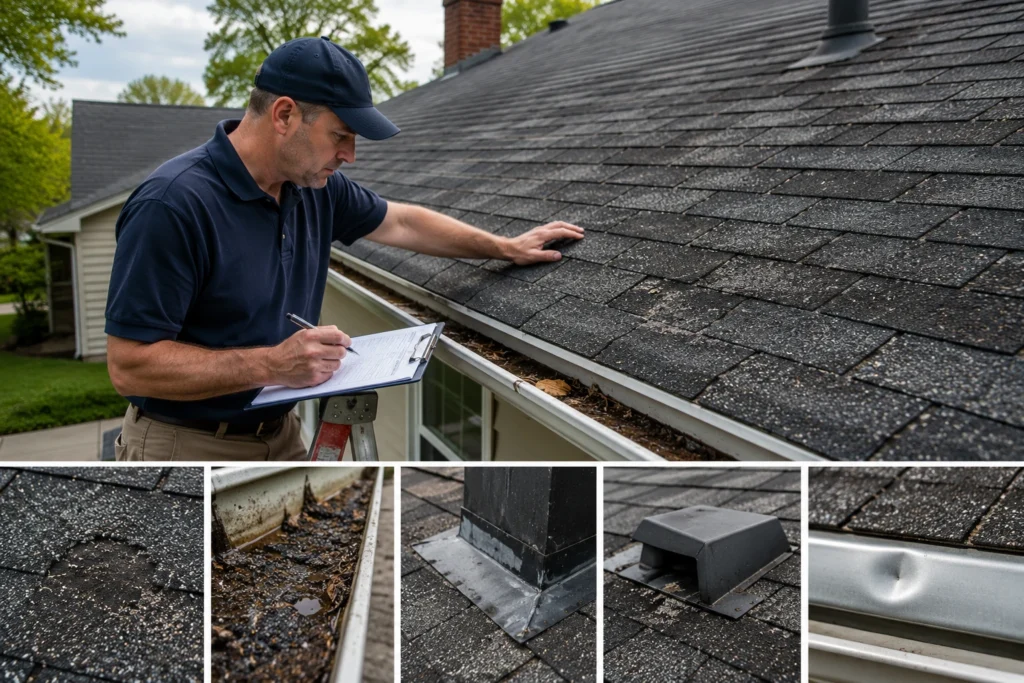
Whether insurance covers roof granule loss depends largely on why the damage occurred. Homeowners insurance is designed to protect against sudden and accidental covered events, not the predictable effects of aging or deferred maintenance. That distinction is the foundation of nearly every roofing claim. This is where a thorough roof granule loss insurance claim guide becomes valuable. Understanding how insurers classify damage allows homeowners to prepare stronger documentation and set realistic expectations before filing a claim.
Situations That Are Often Covered
Many homeowners policies may provide coverage when granule loss results directly from a covered peril. While every policy differs, common examples include:
- Hailstorms
- Windstorms
- Falling tree limbs
- Tornadoes
- Severe weather events covered under the policy
- Certain impact-related incidents
Coverage generally depends on proving that the event caused sudden physical damage to the roofing system rather than simply accelerating existing deterioration.
Situations Commonly Excluded
Insurance companies frequently deny claims when granule loss results from conditions that develop gradually over time.
Examples include:
- Normal wear and tear
- Aging shingles
- Improper maintenance
- Installation deficiencies
- Manufacturing defects
- Long-term neglect
- Cosmetic deterioration without functional damage
Even if a roof looks worn after a storm, adjusters often attempt to separate storm-related damage from age-related deterioration.
Understanding Your Policy
Many homeowners never read their insurance policy until damage has already occurred. That can create unnecessary confusion. Before filing a claim, review important sections such as:
| Policy Provision | Why It Matters |
| Covered perils | Defines what events qualify for coverage |
| Exclusions | Lists situations the insurer will not pay for |
| Deductible | Determines your out-of-pocket cost |
| Replacement Cost Value (RCV) | May cover full replacement cost after depreciation requirements are met |
| Actual Cash Value (ACV) | Pays depreciated value instead of replacement cost |
| Duties After Loss | Explains what the homeowner must do after damage occurs |
| Time Limits | Establishes claim reporting deadlines |
A careful review helps prevent surprises later in the claim process.
How Insurance Adjusters Evaluate Granule Loss Claims
Insurance companies rarely approve roofing claims based on photographs alone. Instead, adjusters conduct a systematic inspection designed to determine whether the observed damage resulted from a covered event. Understanding that process helps homeowners prepare more effectively.
Roof Inspection Process
A typical inspection includes:
- Walking accessible roof areas
- Photographing damaged locations
- Measuring roof slopes
- Examining gutters
- Inspecting flashing
- Looking for collateral property damage
- Checking roof penetrations
- Reviewing previous repairs
The adjuster also evaluates whether damage appears consistent with the reported weather event.
What Adjusters Look For
Insurance adjusters evaluate much more than missing granules. They often search for evidence that supports or contradicts the claimed cause of loss.
Examples include:
- Directional wind patterns
- Hail impact marks
- Soft metal dents
- Broken roof vents
- Damaged gutters
- Window screen damage
- Fence damage
- Nearby tree damage
- Roof age
- Previous repairs
- Maintenance history
Without protective granules, asphalt shingles become increasingly vulnerable to photodegradation, the gradual deterioration of materials caused by prolonged exposure to ultraviolet (UV) radiation. As this process accelerates, shingles become more brittle and susceptible to cracking, making it easier for adjusters to distinguish between long-term aging and sudden storm-related damage during an inspection.
Why Documentation Matters
Documentation often becomes one of the strongest tools available to homeowners.
Clear records help establish:
- The roof’s condition before the loss
- The timing of the storm
- The extent of the damage
- Professional inspection findings
- Estimated repair costs
The more organized your records become, the easier it is to explain the claim.
How to Document Roof Granule Loss Before Filing a Claim
Strong documentation begins long before negotiations start. The goal is to create a complete record of both the damage and the circumstances surrounding it.
Take Comprehensive Photos
Photographs should capture both the overall roof condition and individual damaged areas.
Include:
- Wide roof photographs
- Close-up granule loss
- Gutter accumulation
- Downspouts
- Roof valleys
- Flashing
- Roof penetrations
- Exterior elevations
- Interior leaks, if present
Take photographs from multiple angles whenever possible.
Record Storm Information
Insurance companies frequently compare claimed damage against local weather data.
Helpful information includes:
- Storm date
- Approximate time
- Wind speed
- Hail size
- Rainfall amounts
- National Weather Service reports
- Local weather alerts
The closer the documentation is to the storm date, the stronger it typically becomes.
Save Inspection Reports
Professional inspections provide valuable independent observations.
Keep copies of:
- Roofing contractor reports
- Engineering evaluations
- Drone inspections
- Moisture testing
- Photographic reports
Never assume the insurance company will automatically obtain these documents.
Keep Repair Estimates
Even if repairs have not started, written estimates help establish the scope of necessary work. Whenever possible, obtain detailed estimates that include:
- Materials
- Labor
- Disposal
- Flashing
- Ventilation
- Underlayment
- Ridge caps
- Additional components
Detailed estimates often reveal costs that preliminary insurance estimates may overlook.
Preserve Maintenance Records
Maintenance records demonstrate responsible homeownership.
Helpful documents include:
- Previous roof inspections
- Cleaning records
- Gutter maintenance
- Roof repair invoices
- Warranty documentation
These records may help distinguish sudden damage from long-term neglect.
Steps to File a Roof Granule Loss Insurance Claim
Filing a claim involves much more than simply calling the insurance company. Each step influences how efficiently the claim progresses.
Review Your Insurance Policy
Start by understanding:
- Covered perils
- Deductibles
- Reporting deadlines
- Documentation requirements
- Claim procedures
Knowing these details beforehand prevents unnecessary delays.
Schedule a Professional Roof Inspection
Before contacting the insurer, consider obtaining an independent inspection.
A qualified roofing professional may identify:
- Hidden hail damage
- Wind uplift
- Functional damage
- Structural concerns
- Flashing problems
- Areas requiring immediate protection
An inspection also provides valuable baseline documentation.
Notify Your Insurance Company
Report the loss promptly.
Be prepared to provide:
- Policy number
- Date of loss
- Description of the storm
- Known damage
- Contact information
Avoid speculating about repair costs before inspections are complete.
Meet With the Insurance Adjuster
When the adjuster visits, remain available to answer questions.
Provide:
- Inspection reports
- Photographs
- Maintenance records
- Repair estimates
- Storm documentation
Good communication often helps avoid misunderstandings.
Review the Initial Estimate Carefully
Never assume the first estimate captures every damaged component.
Compare it against:
- Contractor estimates
- Inspection reports
- Roofing manufacturer requirements
- Building code requirements
If differences exist, ask for written explanations.
Submit Supplemental Documentation
Sometimes additional damage becomes visible only after repairs begin.
Examples include:
- Damaged decking
- Hidden flashing failures
- Water intrusion
- Ventilation deficiencies
Supplemental documentation may support requests for additional covered payments when appropriate.
Why Granule Loss Claims Sometimes Get Denied
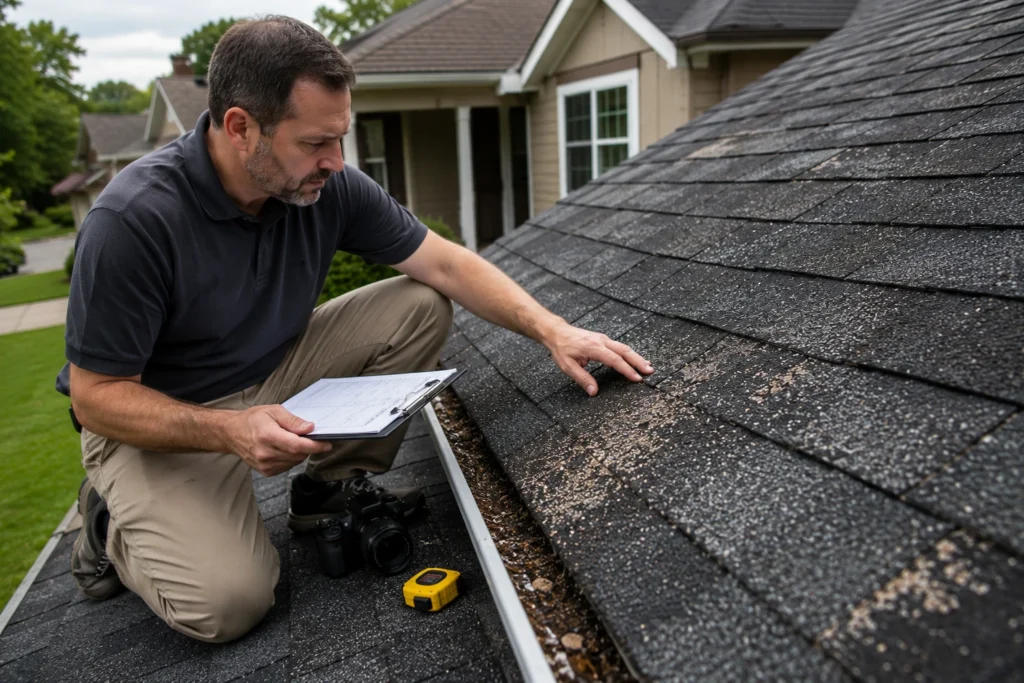
Claim denials are frustrating. However, understanding the insurer’s reasoning helps homeowners determine the next appropriate step.
The Damage Is Considered Normal Aging
One of the most common reasons for denial involves ordinary deterioration. Insurance policies generally do not function as maintenance contracts. If adjusters conclude the roof reached the end of its useful life through age alone, coverage may be denied.
Lack of Storm Evidence
Even if granule loss exists, insurers often look for supporting evidence that connects the damage to a covered event. Without collateral storm damage, approval becomes more difficult.
Late Claim Reporting
Waiting several months or even years to report roof damage can complicate an investigation.
Delays make it harder to determine:
- When the damage occurred
- Whether additional deterioration developed afterward
- Whether repairs could have reduced further damage
Prompt reporting benefits everyone involved.
Insufficient Documentation
Missing photographs. No inspection reports. Incomplete estimates. Absent maintenance records. Each missing document weakens the overall claim.
Policy Exclusions
Sometimes the damage is genuine but still falls outside the policy’s coverage.
Examples include:
- Wear and tear
- Construction defects
- Manufacturer defects
- Long-term deterioration
- Neglect
Reading the denial letter carefully helps identify exactly which policy provisions the insurer relied upon.
What to Do if Your Roof Granule Loss Claim Is Denied
A denial does not necessarily end the process. It simply means additional evaluation may be necessary.
Carefully Review the Denial Letter
Read every page.
Pay attention to:
- Policy citations
- Inspection findings
- Photographs
- Engineering conclusions
- Specific reasons for denial
Understanding the insurer’s position helps determine the most effective response.
Obtain an Independent Roof Inspection
A second professional opinion may identify damage that was overlooked or interpreted differently during the initial inspection. Independent evaluations often provide detailed photographic evidence and technical explanations that strengthen the homeowner’s position.
Gather Additional Evidence
Additional documentation may include:
- Updated contractor reports
- Weather data
- Drone imagery
- Neighboring property damage
- Repair estimates
- Maintenance history
Building a stronger factual record is often more productive than simply disputing the decision without supporting evidence.
Request Claim Reconsideration
If new evidence becomes available, homeowners can often ask the insurance company to review the claim again. A well-organized reconsideration package should clearly explain why the additional information changes the original evaluation rather than merely repeating earlier arguments.
Understand the Appeals Process
Every insurance company has procedures for handling disputed claims. Familiarizing yourself with those procedures, meeting deadlines, and responding with detailed supporting documentation can improve the chances of a thorough review. If disagreements persist, many homeowners also seek professional assistance to better understand their policy rights and evaluate the next steps available.
How a Public Adjuster Can Help With Granule Loss Claims
Roof damage claims often appear straightforward at first. However, once estimates, policy language, depreciation calculations, and inspection findings enter the picture, the process can quickly become more complicated than many homeowners expect.
A public adjuster represents the policyholder not the insurance company. Their objective is to evaluate the loss independently, prepare detailed claim documentation, and negotiate based on the policy’s coverage and the available evidence. For many property owners in Desoto, professional claim assistance can provide clarity when questions arise about the scope of damage or the application of policy provisions.
Independent Damage Assessment
One of the most valuable services a public adjuster provides is an unbiased assessment of the roofing system. Rather than relying solely on an insurance inspection, they evaluate the property independently and document conditions that may warrant further review.
This assessment may include:
- Overall roof condition
- Granule loss patterns
- Hail impact analysis
- Wind-related damage
- Flashing evaluation
- Gutter inspection
- Roof penetrations
- Interior moisture damage
- Supporting photographs
A detailed assessment creates a stronger foundation for claim discussions.
Policy Interpretation
Insurance policies contain definitions, exclusions, endorsements, limitations, and conditions that can significantly influence claim outcomes.
A careful review helps determine:
- Which damages may qualify for coverage
- Applicable deductibles
- Replacement cost provisions
- Actual cash value calculations
- Time limitations
- Documentation requirements
Understanding these provisions before negotiations begin often prevents confusion later.
Documentation Preparation
Successful insurance claims rely heavily on organization.
A public adjuster may assist in assembling:
- Photographic evidence
- Contractor estimates
- Inspection reports
- Weather documentation
- Maintenance records
- Repair invoices
- Supplemental claim information
Comprehensive documentation helps present the loss in a clear, organized manner.
Negotiating With the Insurance Company
Insurance claims frequently involve discussions regarding:
- Scope of repairs
- Replacement versus repair
- Material pricing
- Labor costs
- Building code upgrades
- Supplemental damages
Supporting every position with documentation allows negotiations to remain focused on evidence rather than assumptions.
Helping Maximize Covered Benefits
Maximizing a claim does not mean seeking payment for uncovered damage. Instead, it means ensuring every covered component receives appropriate consideration under the policy.
Examples include:
- Roofing materials
- Underlayment
- Flashing
- Ridge vents
- Drip edge
- Gutters
- Downspouts
- Interior water damage
- Debris removal
Careful claim preparation helps reduce the likelihood that covered items are inadvertently overlooked.
Preventing Future Roof Granule Loss
Although storms cannot be prevented, homeowners can reduce long-term deterioration through consistent maintenance and regular inspections. Preventative care also creates valuable documentation if an insurance claim becomes necessary later.
Schedule Annual Roof Inspections
A professional inspection each year allows small issues to be identified before they become major repairs.
Annual inspections commonly evaluate:
- Granule condition
- Loose shingles
- Flashing
- Sealants
- Roof penetrations
- Ventilation
- Gutters
Written inspection reports also establish a documented maintenance history.
Keep Gutters Clean
Overflowing gutters trap moisture along roof edges and make it difficult to recognize unusual granule accumulation. Routine cleaning helps homeowners observe changes more easily after storms.
Watch for:
- Excessive granules
- Standing water
- Loose fasteners
- Rust
- Blockages
Trim Overhanging Trees
Tree limbs present multiple risks.
Branches may:
- Scrape shingles
- Break during storms
- Drop debris
- Retain moisture
- Encourage moss growth
Keeping limbs trimmed away from the roof helps reduce preventable damage.
Schedule Storm Inspections Promptly
Not all storm damage is immediately visible. Even when no leaks appear, an inspection after significant hail or wind events may identify:
- Granule displacement
- Lifted shingles
- Hidden punctures
- Damaged flashing
- Early water intrusion
Early detection frequently prevents more extensive deterioration.
Limit Roof Foot Traffic
Walking across shingles unnecessarily accelerates wear.
Whenever possible:
- Avoid recreational roof access.
- Use qualified professionals.
- Follow manufacturer recommendations.
- Minimize repeated traffic over the same areas.
Reducing unnecessary foot traffic helps preserve the roof’s protective surface.
Address Minor Repairs Quickly
Small repairs often prevent larger losses. Prompt attention to damaged shingles, flashing, or sealants helps reduce future exposure to water and ultraviolet damage. Preventative maintenance costs considerably less than major structural repairs.
Frequently Overlooked Evidence That Strengthens a Roof Claim
Many homeowners focus almost exclusively on photographs of damaged shingles. While important, those images represent only one piece of the overall claim. Additional evidence often strengthens the evaluation considerably.
Examples include:
- Neighboring homes with documented storm damage
- Local weather reports
- Certified hail reports
- Wind speed records
- Contractor inspection notes
- Drone photography
- Moisture meter readings
- Gutter debris documentation
- Interior ceiling staining
- Attic moisture observations
- Previous inspection reports
- Building permit records
The more independent sources supporting the reported loss, the easier it becomes to demonstrate that damage resulted from a covered event rather than gradual deterioration.
Mistakes Homeowners Should Avoid During a Roof Insurance Claim
Even legitimate claims become more difficult when avoidable mistakes occur. Understanding common pitfalls allows homeowners to respond more confidently after discovering damage.
Waiting Too Long to Report Damage
Time matters. Prompt reporting helps preserve physical evidence and allows inspections to occur before additional weather changes the roof’s condition. Delays may complicate efforts to establish when the damage occurred.
Making Permanent Repairs Too Soon
Emergency measures to protect the home are often appropriate. However, extensive permanent repairs completed before the insurance inspection may eliminate valuable evidence.
Whenever practical:
- Photograph everything first.
- Save damaged materials.
- Keep receipts.
- Document temporary repairs.
These steps help preserve the claim record.
Throwing Away Damaged Materials
Damaged shingles, flashing, gutters, and other roofing components sometimes provide important physical evidence. If materials are removed during emergency repairs, ask the contractor whether they can safely preserve representative samples until the inspection is complete.
Accepting the First Settlement Without Careful Review
An initial settlement represents the insurance company’s evaluation based on available information at that time.
Homeowners should carefully compare the estimate against:
- Independent inspections
- Contractor proposals
- Building code requirements
- Manufacturer installation specifications
If questions arise, requesting clarification before accepting the settlement can help ensure all covered damage has been properly evaluated.
Ignoring Policy Deadlines
Insurance policies often establish deadlines for:
- Reporting losses
- Providing documentation
- Submitting supplemental information
- Completing repairs
Missing these deadlines may complicate claim resolution. Keeping a simple calendar of important dates helps maintain organization throughout the process.
Failing to Keep Organized Records
One missing document may not determine the outcome of a claim. Multiple missing documents can.
Maintain a dedicated claim folder containing:
- Policy documents
- Photographs
- Emails
- Letters
- Inspection reports
- Contractor estimates
- Invoices
- Weather reports
- Payment records
Organization saves time and reduces confusion during negotiations.
Final Thoughts
Roof granule loss may appear minor at first glance, yet those tiny mineral particles play a critical role in protecting an entire roofing system. While some granule shedding is simply part of a roof’s natural aging process, sudden or concentrated loss following severe weather may point to damage that deserves closer evaluation. This roof granule loss insurance claim guide has shown that successful claims depend on much more than identifying bald shingles. Careful documentation, timely inspections, thorough policy review, and clear communication all contribute to a stronger claim. Homeowners who understand the distinction between normal wear and storm-related damage are better equipped to make informed decisions throughout the process.
Equally important, every insurance policy is unique. Coverage depends on the specific policy language, the cause of the damage, the available evidence, and the facts uncovered during the inspection. Taking time to gather photographs, maintenance records, weather reports, and professional evaluations can make a meaningful difference if questions arise during the claim. When uncertainty exists, seeking qualified guidance before accepting a settlement may help homeowners better understand their options and ensure that all potentially covered damage receives appropriate consideration. For property owners in Desoto, preparing thoroughly before filing a claim often leads to a smoother and more informed insurance experience.
As roofing systems continue to face hail, wind, heavy rain, and seasonal weather extremes, staying proactive remains one of the best long-term investments a homeowner can make. Routine maintenance, prompt inspections after storms, and organized documentation not only extend the life of a roof but also place homeowners in a stronger position should they ever need to navigate the insurance claims process again. A well-prepared approach today can help protect both your property and your peace of mind for years to come.
FAQs
Roof granule loss occurs when the protective mineral coating on asphalt shingles wears away due to age, weather, or physical damage. Excessive loss can reduce your roof’s ability to withstand the elements.
It may, but coverage usually depends on the cause. Sudden damage from covered events like hail or wind is more likely to qualify than normal wear and tear.
Storm damage often appears as localized bald spots or impact marks after a weather event, while aging typically causes even, gradual granule loss across the entire roof.
Before filing a claim, have your roof professionally inspected to determine the cause and extent of the damage. This helps you decide whether a claim is appropriate.
Take clear photos of the roof, gutters, and any visible damage, keep maintenance records, obtain a professional inspection report, and document the date of the storm if applicable.
Some granule accumulation is normal as shingles age, but a large amount appearing after a storm could indicate roof damage that should be inspected.
Yes. Claims may be denied if the insurer determines the damage resulted from normal aging, poor maintenance, installation defects, or other policy exclusions.
A public adjuster evaluates the damage independently, reviews your policy, prepares detailed documentation, and negotiates with the insurance company on your behalf.
It’s generally safer to inspect from the ground or hire a roofing professional. Walking on a roof can be dangerous and may unintentionally damage the shingles.
Yes. Significant granule loss exposes the asphalt beneath the shingles to sunlight and weather, increasing the risk of cracking, deterioration, and eventually water intrusion.